Opening Hours
 Book Online
 07 3003 0801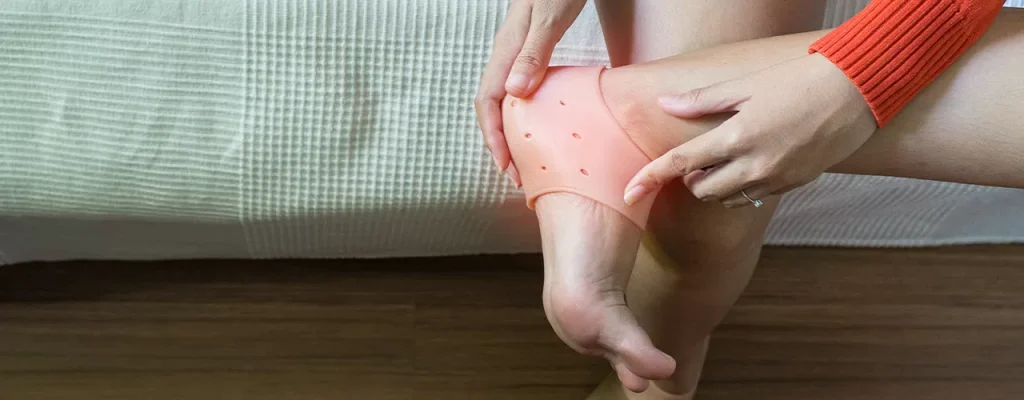
What’s Plantar Fasciitis?
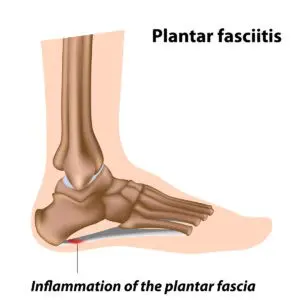
Plantar Fasciitis is an overuse injury caused by micro trauma to the Plantar Fascia – a tendinous attachment beneath the foot. 10% of the population will have plantar fasciitis at any given time.
What causes Plantar Fasciitis to flare up?
Plantar Fascia pain is caused by micro tearing of the tendon at the heel – this is known as a tendinopathy. A tendinopathy is an irritation to the the tendon that becomes damaged, but doesn’t have time to heal before it suffers more irritation.
People at risk of Plantar Fasciitis tend to be on their feet a lot:
- school teachers
- runners (third most common running injury)
- nurses
- hospitality workers
- high body mass (50% risk increase)
Hormonal change in middle age can also weaken the collagen structure of the tendon – which increases the risk of tendinopathies like plantar fasciitis.
Footwear contributes a lot to plantar fasciitis. Many studies have shown rapid improvement in studies, just by inserting a $20 silicon heel pad into your shoes.
What Plantar Fasciitis feels like?
- Pain with the first few steps after rest (typically the morning)
- Pain with increased physical exercise
- Pain with prolonged standing
Plantar Fasciitis is usually noticeable on the first few steps after rest or being seated. The pain is frequently described as “like walking on broken glass” – especially in the morning.
Left untreated, plantar fasciitis has been associated with heel spurs, a calcified growth in the heel which is excruciatingly painful to walk on.
Reduce Your Pain at Home!
What shouldn’t I do for Plantar Fasciitis?
- Don’t get cortisone injections. Cortisone may provide temporary relief but has been proven to weaken the collagen of the tendon more – creating a CHRONIC problem.
- Don’t ignore the symptoms – it can take up to 2 years for the condition to resolve on its own – if you work on your feet or are a high body mass individual – plantar fasciitis may never ease without clinical intervention.
Who should you see for plantar fasciitis?
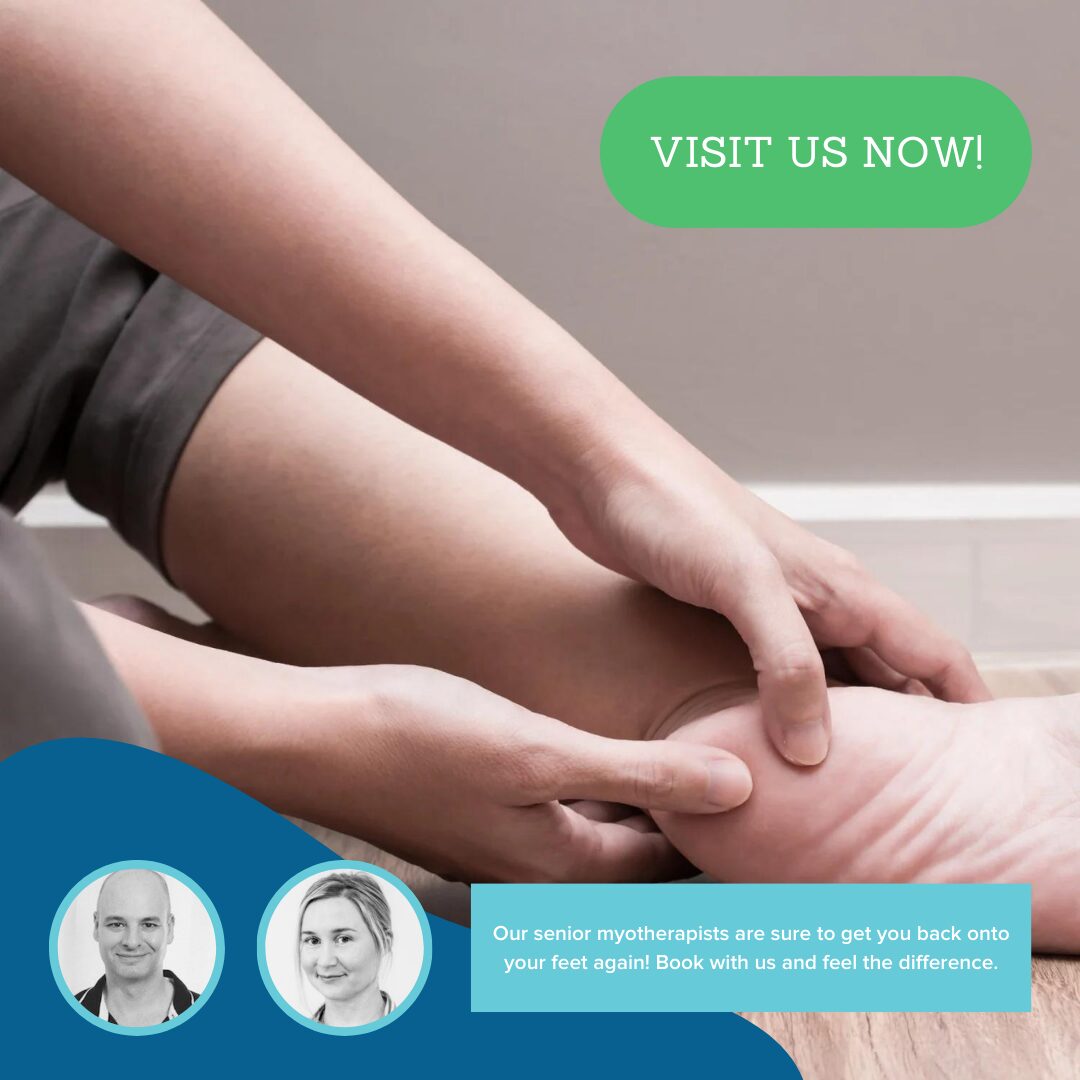
The sooner you act on heel pain caused by plantar fasciitis, the easier it is to resolve. The first person you should see is a Remedial Massage Therapist for Expert Plantar Fasciitis Massage. Changing the muscle tension in the lower leg, learning the best stretches to keep the lower leg muscles loose, finding the best exercise to improve the angry reactive tendon causing the pain and learning about a heel pad will make a long painful journey much, much shorter.
Get back on your feet again with an Expert Remedial Plantar Fasciitis Massage!
Plantar Fasciitis treatment – are massages good for plantar fasciitis?
- Expert plantar fasciitis massage can immediately reduce plantar fasciitis pain by reducing muscular tension in the calves which are causing tension in the plantar fascia tendon.
- Rubbing the plantar fascia itself is of limited value, however releasing the muscle tension in the lower leg will usually have an immediate impact on pain reduction.
- A remedial massage therapist can show you how to keep your calves from becoming tight again after your plantar fasciitis massage.
- Performing simple modified calf raises has been PROVEN to change the pain generating chemical makeup in the reactive tendon. Without going into biochemistry too deeply, these exercises help make the collagen of the tendon more stable and able to withstand load – while immediately reducing pain
- Over the counter heal inserts have been shown to de-load the plantar fascia and resolve pain in early plantar fasciitis.
Long standing Plantar Fasciitis (12months or longer) – particularly where excess weight is a contributing factor – will require orthotics to made by a podiatrist.
https://www.mayoclinic.org/tests-procedures/neurogenic-bladder-bowel-management/about/pac-
20394763
https://www.mayoclinic.org/medical-professionals/digestive-
diseases/news/diagnosis-and-management-of-patients-with-chronic-
constipation/mqc-20485152
https://www.mayoclinic.org/diseases-conditions/constipation/diagnosis-
treatment/drc-20354259
https://tacanow.org/family-resources/the-poop-page/
https://www.ouh.nhs.uk/patient-guide/leaflets/files/49007Pfasciitis.pdf
https://sma.org.au/resources-advice/injury-fact-sheets/plantar-fasciitis/
https://www.mayoclinic.org/diseases-conditions/plantar-fasciitis/symptoms-causes/syc-20354846
https://newsnetwork.mayoclinic.org/discussion/mayo-clinic-q-and-a-treating-plantar-fasciitis/
https://www.betterhealth.vic.gov.au/health/conditionsandtreatments/foot-problems-heel-pain
https://www.healthdirect.gov.au/plantar-fasciitis
https://www.abc.net.au/radio/hobart/programs/saturdays/air:-medical-matters—plantar-fasciitis/11126060
https://www.nytimes.com/guides/well/activity/treat-plantar-fasciitis
https://www.latrobe.edu.au/news/articles/2019/release/heel-pain-to-jab-or-not-to-jab
Frequently Asked Questions (FAQs)
Are massages good for plantar fasciitis?
- Expert plantar fasciitis massage can immediately reduce plantar fasciitis pain by reducing muscular tension in the calves which are causing tension in the plantar fascia tendon.
- Rubbing the plantar fascia itself is of limited value, however releasing the muscle tension in the lower leg will usually have an immediate impact on pain reduction.
- A remedial massage therapist can show you how to keep your calves from becoming tight again after your plantar fasciitis massage.
Are plantar fasciitis and heel spurs the same?
No. Left untreated, plantar fasciitis has been associated with the development of heel spurs, a calcified growth in the heel which is excruciatingly painful to walk on and VERY hard to treat. Early plantar fasciitis treatment is essential to stop chronic pathology developing.
Are plantar fasciitis and shin splints related?
Not directly. Both conditions are overload states called tendinopathies. People who suffer both tend to either run, be high body mass individuals or be undergoing hormonal change – such as menopause. The conditions may develop at the same time from the same basket of causes.
Can plantar fasciitis be cured?
Yes, plantar fasciitis can be cured. It’s an overuse injury caused by small tears in the plantar fascia tendon at the heel. By easing the tight calf muscles that overload the tendon, strengthening the collagen tissue, and adjusting how weight is loaded through the heel, the condition can fully resolve.
Can plantar fasciitis be massaged?
- Expert plantar fasciitis massage can immediately reduce plantar fasciitis pain by reducing muscular tension in the calves which are causing tension in the plantar fascia tendon.
- Rubbing the plantar fascia itself is of limited value, however releasing the muscle tension in the lower leg will usually have an immediate impact on pain reduction.
- A remedial massage therapist can show you how to keep your calves from becoming tight again after your plantar fasciitis massage.
Can plantar fasciitis cause ankle pain?
The condition itself doesn’t create ankle pain, but the way you walk to compensate for heel discomfort can put extra stress on the ankle. This change in load and movement may lead to irritation or pain around the ankle joint
Can plantar fasciitis cause groin pain?
Plantar fasciitis does not directly cause groin pain. However, if your walking pattern changes to avoid heel pain, the altered biomechanics can place strain higher up the leg, which may contribute to discomfort in the hip or groin region.
Can plantar fasciitis cause knee pain?
Plantar fasciitis doesn’t directly cause knee problems. That said, limping or shifting your weight to reduce heel pain can alter knee alignment and movement, sometimes resulting in knee strain or discomfort.
Can plantar fasciitis cause leg pain?
By itself, plantar fasciitis doesn’t cause leg pain. But when your walking style changes to avoid pressure on the heel, the altered gait can overwork certain muscles or joints, which may create soreness or pain in the leg.
Can plantar fasciitis cause pain on top of foot?
Indirectly yes. Plantar fasciitis itself does not cause pain at the top of the foot, however, alterations to your walking pattern to avoid hitting the ground with the heel may mean you use your toes more, this can cause a condition known as mortons neuroma – which is a swelling in the nerves in between the toes.
Can plantar fasciitis cause swelling?
In the early stage (reactive tendinopathy) – no. But from the second stage (tendon disrepair) swelling is often a visible feature of the tendon.
Can plantar fasciitis cause toe pain?
Indirectly, yes. Plantar fasciitis doesn’t directly cause pain on the top of the foot. However, when you adjust your walking pattern to avoid striking the heel, you may place more pressure on your toes. Over time, this extra strain can lead to Morton’s neuroma — a swelling of the nerves between the toes.
Can you have plantar fasciitis without heel pain?
Yes you can. A tendinopathy such as plantar fasciitis can be present without pain.
Does massaging help plantar fasciitis?
- Expert plantar fasciitis massage can immediately reduce plantar fasciitis pain by reducing muscular tension in the calves which are causing tension in the plantar fascia tendon.
- Rubbing the plantar fascia itself is of limited value, however releasing the muscle tension in the lower leg will usually have an immediate impact on pain reduction.
- A remedial massage therapist can show you how to keep your calves from becoming tight again after your plantar fasciitis massage.
Does rubbing plantar fasciitis help?
Probably not
- Rubbing the plantar fascia itself is of limited value, however releasing the muscle tension in the lower leg (using sports massage) will usually have an immediate impact on pain reduction.
- A remedial massage therapist can show you how to keep your calves from becoming tight again after your plantar fasciitis massage.
- Expert plantar fasciitis massage can immediately reduce plantar fasciitis pain by reducing muscular tension in the calves which are causing tension in the plantar fascia tendon.
How does plantar fasciitis happen?
-
Plantar fasciitis usually develops when the plantar fascia — the strong band of tissue under the foot — is exposed to repeated stress. Small micro-tears form near the heel, and if the tissue doesn’t have time to properly recover, irritation and pain build up. Jobs or activities that involve long hours standing, such as teaching, nursing, or hospitality, can increase the risk, as can running and higher body weight.
How plantar fasciitis develops?
-
The condition develops gradually as the plantar fascia is overloaded. Repeated strain leads to micro-trauma at its attachment to the heel. Over time, this irritation turns into a tendinopathy — meaning the tendon is damaged faster than it can heal. Risk factors include occupations that require constant time on your feet, endurance running, and age-related changes to collagen strength during middle age, which can make the tissue more vulnerable.
How plantar fasciitis is caused?
-
Plantar fasciitis is caused by overuse of the plantar fascia, the connective tissue that supports the arch of your foot. Micro-tearing at the heel attachment site triggers inflammation and pain. People most commonly affected are those who are on their feet for much of the day — teachers, nurses, hospitality staff — as well as runners. Being overweight adds further load, with studies showing up to a 50% increase in risk.
How plantar fasciitis is diagnosed?
Usually from your symptoms and if the exercises take the pain away. If your clinician is unsure of the cause of your heel pain – they may refer you for an ultrasound to investigate the tendon health.
How plantar fasciitis occurs?
-
-
Plantar Fasciitis is an overuse injury caused by micro trauma to the Plantar Fascia – a tendinous attachment beneath the foot.
-
Plantar Fascia pain is caused by micro tearing of the tendon at the heel – this is known as a
-
A tendinopathy is an irritation to the the tendon that becomes damaged, but doesn’t have time to heal before it suffers more irritation.
People at risk of Plantar Fasciitis tend to be on their feet a lot:
-
school teachers
-
runners (third most common running injury)
-
nurses
-
hospitality workers
-
high body mass (50% risk increase)
-
Hormonal change in middle age can also weaken the collagen structure of the tendon – which increases the risk of tendinopathies like plantar fasciitis.
-
How plantar fasciitis pain relief?
- Over the counter heal inserts have been shown to de-load the plantar fascia
- Your Remedial Therapist will prescribe Exercises for Plantar Fasciitis that rapidly decrease pain and improve the collagen durability of the tendon.
- Your plantar fasciitis massage will involve expert calf massage and stretches that significantly reduce severity of symptoms
- Load modification in runners – cross training in other ways (cycle, swimming, rowing machine) while strengthening the tendon (exercises for plantar fasciitis).
- High body mass individuals experience fewer symptoms of plantar fasciitis if they are able to lose weight
How to do massage for plantar fasciitis?
-
Expert plantar fasciitis massage can immediately reduce plantar fasciitis pain by reducing muscular tension in the calves which are causing tension in the plantar fascia tendon.
-
Rubbing the plantar fascia itself is of limited value, however releasing the muscle tension in the lower leg will usually have an immediate impact on pain reduction.
-
A remedial massage therapist can show you how to keep your calves from becoming tight again after your plantar fasciitis massage.
How to massage for plantar fasciitis?
-
Plantar fasciitis massage can quickly reduce discomfort by focusing on the calves, which often drive tension through the plantar fascia tendon. While massaging the fascia itself isn’t very effective, loosening the surrounding muscles typically produces immediate pain relief. A skilled remedial massage therapist will use plantar fasciitis massage techniques and teach you how to keep your calves relaxed to prevent pain returning.
How to treat plantar fasciitis with massage?
-
Plantar fasciitis massage works by releasing tight calf muscles that overload the plantar fascia tendon. Rather than rubbing the fascia itself, which has limited effect, targeted release of the lower leg muscles often brings fast pain relief. After your plantar fasciitis massage, your remedial massage therapist can also show you strategies to keep your calves flexible and reduce the chance of pain returning.
Is it bad to massage plantar fasciitis?
-
It’s not harmful, but directly rubbing the plantar fascia itself usually provides little benefit. The most effective approach is targeted plantar fasciitis massage that focuses on releasing tight calf muscles, as these are the main source of tension on the plantar fascia tendon. When performed by a qualified remedial massage therapist, plantar fasciitis massage is safe, can reduce pain quickly, and you’ll also learn techniques to keep the calves relaxed to prevent flare-ups.
Is it ok to massage plantar fasciitis?
-
Yes, it is OK when done correctly. Plantar fasciitis massage is most effective when it targets the calf muscles, which often create tension in the plantar fascia tendon. Direct pressure on the sole itself won’t usually solve the problem, but releasing the surrounding muscles can bring fast relief and support long-term recovery.
Is plantar fasciitis a disability?
While plantar fasciitis can be disabling, it is not a condition that is classifiable as a disability as it is possible to restore the foot to pain free status using exercises, orthotics and expert plantar fasciitis massage.
Is plantar fasciitis curable?
Plantar fasciitis is curable, even though it can be stubborn. It results from repeated micro tearing of the tendon at the heel, which becomes irritated when it’s not given enough time to heal. By reducing strain from the calves, strengthening the tendon, and adjusting activity to reduce heel stress, lasting recovery is achievable..
Is plantar fasciitis genetic?
Strictly speaking no. Plantar fasciitis is caused by factors such as time on your feet, muscle tension and overload, hormonal change (particularly in midlife) and body weight.
Plantar fasciitis can barely walk?
The first person you should see if you have plantar fasciitis is a remedial massage therapist:
- Expert plantar fasciitis massage can immediately reduce plantar fasciitis pain by reducing muscular tension in the calves which are causing tension in the plantar fascia tendon.
- Rubbing the plantar fascia itself is of limited value, however releasing the muscle tension in the lower leg will usually have an immediate impact on pain reduction.
- Expert plantar fasciitis massage involves massaging the muscles that are causing the tendon overload (the lower leg), showing you how to keep those muscles from getting tight, showing you the correct exercise to take plantar fasciitis pain away and demonstrating simple tricks like a $20 heel pad to reduce the impact causing the irritation in the tendon.
Plantar fasciitis can I cycle?
Plantar fasciitis can I cycle? Not if it causes pain immediately after.
The first person you should see if you have plantar fasciitis is a remedial massage therapist:
-
Expert plantar fasciitis massage can immediately reduce plantar fasciitis pain by reducing muscular tension in the calves which are causing tension in the plantar fascia tendon.
-
Rubbing the plantar fascia itself is of limited value, however releasing the muscle tension in the lower leg will usually have an immediate impact on pain reduction.
-
Expert plantar fasciitis massage involves massaging the muscles that are causing the tendon overload (the lower leg), showing you how to keep those muscles from getting tight, showing you the correct exercise to take plantar fasciitis pain away and demonstrating simple tricks like a $20 heel pad to reduce the impact causing the irritation in the tendon.
Plantar fasciitis can I run?
Not if you haven’t been assessed by someone and shown a specific strategy to rehabilitate the irritation, and not if it causes pain immediately after.
The first professional to see for plantar fasciitis should be a remedial massage therapist. Expert plantar fasciitis massage helps by releasing tight calf muscles that place strain on the plantar fascia tendon, often providing immediate pain relief. Directly rubbing the fascia itself offers little benefit, but targeting the lower leg muscles has a significant impact. A thorough plantar fasciitis massage session will also include guidance on keeping your calves from tightening again, teaching the right exercises to ease pain, and simple strategies like using an affordable heel pad to reduce stress on the tendon while it heals.
Plantar fasciitis can it be cured?
Absolutely.
-
Plantar Fasciitis is an overuse injury caused by micro trauma to the Plantar Fascia – a tendinous attachment beneath the foot. 10% of the population will have plantar fasciitis at any given time.
-
Plantar Fascia pain is caused by micro tearing of the tendon at the heel – this is known as a A tendinopathy is an irritation to the the tendon that becomes damaged, but doesn’t have time to heal before it suffers more irritation.
The way to stop plantar fasciitis pain is to relieve the muscles causing the abnormal tension/load in the tendon, strengthen the collagen that makes the tendon and change the load of the heel while the tendon is reactive.
Plantar fasciitis can it go away?
Yes, it can. Around 10% of people experience plantar fasciitis, but with proper care it usually goes away. The key is to release the muscles driving the extra load, support the tendon’s collagen healing, and protect the heel while it’s reactive. These steps allow the fascia to recover and pain to disappear.
Plantar fasciitis can you exercise?a
Yes. But you need to change your exercise from running and hikeing while the tendon is reactive.
Not if it causes pain immediately after.
The first person you should see if you have plantar fasciitis is a remedial massage therapist:
- Expert plantar fasciitis massage can immediately reduce plantar fasciitis pain by reducing muscular tension in the calves which are causing tension in the plantar fascia tendon.
- Rubbing the plantar fascia itself is of limited value, however releasing the muscle tension in the lower leg will usually have an immediate impact on pain reduction.
- Expert plantar fasciitis massage involves massaging the muscles that are causing the tendon overload (the lower leg), showing you how to keep those muscles from getting tight, showing you the correct exercise to take plantar fasciitis pain away and demonstrating simple tricks like a $20 heel pad to reduce the impact causing the irritation in the tendon.
Plantar fasciitis can you walk?
Not if you haven’t been shown a recovery strategy.
Not if it causes pain immediately after.
The first person you should see if you have plantar fasciitis is a remedial massage therapist:
- Expert plantar fasciitis massage can immediately reduce plantar fasciitis pain by reducing muscular tension in the calves which are causing tension in the plantar fascia tendon.
- Rubbing the plantar fascia itself is of limited value, however releasing the muscle tension in the lower leg will usually have an immediate impact on pain reduction.
- Expert plantar fasciitis massage involves massaging the muscles that are causing the tendon overload (the lower leg), showing you how to keep those muscles from getting tight, showing you the correct exercise to take plantar fasciitis pain away and demonstrating simple tricks like a $20 heel pad to reduce the impact causing the irritation in the tendon.
Plantar fasciitis for 2 years? Plantar fasciitis for 4 months? Not if it causes pain immediately after. The first person you should see if you have plantar fasciitis is a remedial massage therapist:
- Expert plantar fasciitis massage can immediately reduce plantar fasciitis pain by reducing muscular tension in the calves which are causing tension in the plantar fascia tendon.
- Rubbing the plantar fascia itself is of limited value, however releasing the muscle tension in the lower leg will usually have an immediate impact on pain reduction.
- Expert plantar fasciitis massage involves massaging the muscles that are causing the tendon overload (the lower leg), showing you how to keep those muscles from getting tight, showing you the correct exercise to take plantar fasciitis pain away and demonstrating simple tricks like a $20 heel pad to reduce the impact causing the irritation in the tendon.
Plantar fasciitis for months?
The first person you should see if you have plantar fasciitis is a remedial massage therapist:
- Expert plantar fasciitis massage can immediately reduce plantar fasciitis pain by reducing muscular tension in the calves which are causing tension in the plantar fascia tendon.
- Rubbing the plantar fascia itself is of limited value, however releasing the muscle tension in the lower leg will usually have an immediate impact on pain reduction.
- Expert plantar fasciitis massage involves massaging the muscles that are causing the tendon overload (the lower leg), showing you how to keep those muscles from getting tight, showing you the correct exercise to take plantar fasciitis pain away and demonstrating simple tricks like a $20 heel pad to reduce the impact causing the irritation in the tendon.
Plantar fasciitis for over a year?
The first person you should see if you have plantar fasciitis is a remedial massage therapist:
- Expert plantar fasciitis massage can immediately reduce plantar fasciitis pain by reducing muscular tension in the calves which are causing tension in the plantar fascia tendon.
- Rubbing the plantar fascia itself is of limited value, however releasing the muscle tension in the lower leg will usually have an immediate impact on pain reduction.
Expert plantar fasciitis massage involves massaging the muscles that are causing the tendon overload (the lower leg), showing you how to keep those muscles from getting tight, showing you the correct exercise to take plantar fasciitis pain away and demonstrating simple tricks like a $20 heel pad to reduce the impact causing the irritation in the tendon.
Plantar fasciitis massage near me?
In Brisbane and the surrounding suburbs expert plantar fasciitis massage is performed at Knead Massage. Our qualified remedial massage therapists have thousands of hours experience dealing with sports and lifestyle injuries like plantar fasciitis in the fewest possible visits.
- Expert plantar fasciitis massage can immediately reduce plantar fasciitis pain by reducing muscular tension in the calves which are causing tension in the plantar fascia tendon.
- Rubbing the plantar fascia itself is of limited value, however releasing the muscle tension in the lower leg will usually have an immediate impact on pain reduction.
- A remedial massage therapist can show you how to keep your calves from becoming tight again after your plantar fasciitis massage.
Should you massage your plantar fasciitis?
-
You can, but focus matters. Gently rubbing the bottom of the foot may ease discomfort temporarily, but true relief comes from plantar fasciitis massage that works on tight calves and lower leg muscles. A remedial massage therapist can show you safe techniques and stretches to complement treatment and prevent pain from returning.
What causes plantar fasciitis to flare up?
- Plantar Fasciitis is an overuse injury caused by micro trauma to the Plantar Fascia – a tendinous attachment beneath the foot.
- Plantar Fascia pain is caused by micro tearing of the tendon at the heel – this is known as a
- A tendinopathy is an irritation to the the tendon that becomes damaged, but doesn’t have time to heal before it suffers more irritation.
People at risk of Plantar Fasciitis tend to be on their feet a lot:
- school teachers
- runners (third most common running injury)
- nurses
- hospitality workers
- high body mass (50% risk increase)
- Hormonal change in middle age can also weaken the collagen structure of the tendon – which increases the risk of tendinopathies like plantar fasciitis.
What does plantar fasciitis feel like?
- Pain with the first few steps after rest (typically the morning)
- Pain with increased physical exercise
- Pain with prolonged standing
Plantar Fasciitis is usually noticeable on the first few steps after rest or being seated. The pain is frequently described as “like walking on broken glass” – especially in the morning.
Left untreated, plantar fasciitis has been associated with heel spurs, a calcified growth in the heel which is excruciatingly painful to walk on.
What does plantar fasciitis look like?
In early plantar fasciitis there is no obvious visual symptoms. However after the irritation in the tendon moves from the reactive tendinopathy stage into the tendon disrepair stage, swelling starts to become a feature of the damaged tendon. Swelling typically occurs near the heel and the inside of the foot at the arch.
What happens if plantar fasciitis goes untreated?
This varies on your body weight and age. Left untreated, plantar fasciitis has been associated with the development of heel spurs, a calcified growth in the heel which is excruciatingly painful to walk on and VERY hard to treat. Early plantar fasciitis treatment is essential to stop chronic pathology developing.
What happens if plantar fasciitis is not treated?
The outcome depends on factors such as body weight and age. If left untreated, plantar fasciitis can sometimes lead to heel spurs — a calcified growth on the heel that makes walking extremely painful and is very difficult to treat. This is why early treatment for plantar fasciitis is so important to prevent chronic problems from developing.
What is plantar fasciitis massage?
-
Expert plantar fasciitis massage can provide fast relief by easing tight calf muscles that place stress on the plantar fascia tendon. Directly rubbing the fascia itself has limited effect, but releasing tension in the lower leg usually delivers immediate pain reduction. A comprehensive plantar fasciitis massage session focuses on loosening the overloaded muscles, teaching you how to keep them relaxed, guiding you through the right exercises to reduce pain, and demonstrating simple solutions such as using an inexpensive heel pad to reduce pressure on the tendon while it heals.
What plantar fasciitis feel like?
- Pain with the first few steps after rest (typically the morning)
- Pain with increased physical exercise
- Pain with prolonged standing
Plantar Fasciitis is usually noticeable on the first few steps after rest or being seated. The pain is frequently described as “like walking on broken glass” – especially in the morning.
Left untreated, plantar fasciitis has been associated with heel spurs, a calcified growth in the heel which is excruciatingly painful to walk on.
What plantar fasciitis looks like?
In the early stages of plantar fasciitis there is no obvious visual symptoms. However after the irritation in the tendon moves from the reactive tendinopathy stage into the tendon disrepair stage, swelling starts to become a feature of the damaged tendon. Swelling typically occurs near the heel and the inside of the foot at the arch.
What plantar fasciitis treatment?
- Expert plantar fasciitis massage can immediately reduce plantar fasciitis pain by reducing muscular tension in the calves which are causing tension in the plantar fascia tendon.
- Rubbing the plantar fascia itself is of limited value, however releasing the muscle tension in the lower leg will usually have an immediate impact on pain reduction.
- Expert plantar fasciitis massage involves massaging the muscles that are causing the tendon overload (the lower leg), showing you how to keep those muscles from getting tight, showing you the correct exercise to take plantar fasciitis pain away and demonstrating simple tricks like a $20 heel pad to reduce the impact causing the irritation in the tendon.
What plantar fasciitis treatment?
-
Expert plantar fasciitis massage can immediately reduce plantar fasciitis pain by reducing muscular tension in the calves which are causing tension in the plantar fascia tendon.
-
Rubbing the plantar fascia itself is of limited value, however releasing the muscle tension in the lower leg will usually have an immediate impact on pain reduction.
-
Expert plantar fasciitis massage involves massaging the muscles that are causing the tendon overload (the lower leg), showing you how to keep those muscles from getting tight, showing you the correct exercise to take plantar fasciitis pain away and demonstrating simple tricks like a $20 heel pad to reduce the impact causing the irritation in the tendon.
What's plantar fasciitis?
- Plantar Fasciitis is an overuse injury caused by micro trauma to the Plantar Fascia – a tendinous attachment beneath the foot.
- Plantar Fascia pain is caused by micro tearing of the tendon at the heel – this is known as a
- A tendinopathy is an irritation to the the tendon that becomes damaged, but doesn’t have time to heal before it suffers more irritation.
People at risk of Plantar Fasciitis tend to be on their feet a lot:
- school teachers
- runners (third most common running injury)
- nurses
- hospitality workers
- high body mass (50% risk increase)
- Hormonal change in middle age can also weaken the collagen structure of the tendon – which increases the risk of tendinopathies like plantar fasciitis.
When does plantar fasciitis go away?
When you have learnt to improve the collagen health of the tendon and stopped aggravating it with poor footwear and overloaded muscles.
The first person you should see if you have plantar fasciitis is a remedial massage therapist:
- Expert plantar fasciitis massage can immediately reduce plantar fasciitis pain by reducing muscular tension in the calves which are causing tension in the plantar fascia tendon.
- Rubbing the plantar fascia itself is of limited value, however releasing the muscle tension in the lower leg will usually have an immediate impact on pain reduction.
- Expert plantar fasciitis massage involves massaging the muscles that are causing the tendon overload (the lower leg), showing you how to keep those muscles from getting tight, showing you the correct exercise to take plantar fasciitis pain away and demonstrating simple tricks like a $20 heel pad to reduce the impact causing the irritation in the tendon.
When does plantar fasciitis hurt?
- Pain with the first few steps after rest (typically the morning)
- Pain with increased physical exercise
- Pain with prolonged standing
Plantar Fasciitis is usually noticeable on the first few steps after rest or being seated. The pain is frequently described as “like walking on broken glass” – especially in the morning.
Left untreated, plantar fasciitis has been associated with heel spurs, a calcified growth in the heel which is excruciatingly painful to walk on.
When is plantar fasciitis serious?
As soon as you notice it. Left untreated, plantar fasciitis has been associated with heel spurs, a calcified growth in the heel which is excruciatingly painful to walk on.
When plantar fasciitis gets worse?
The first person you should see if you have plantar fasciitis is a remedial massage therapist:
- Expert plantar fasciitis massage can immediately reduce plantar fasciitis pain by reducing muscular tension in the calves which are causing tension in the plantar fascia tendon.
- Rubbing the plantar fascia itself is of limited value, however releasing the muscle tension in the lower leg will usually have an immediate impact on pain reduction.
Expert plantar fasciitis massage involves massaging the muscles that are causing the tendon overload (the lower leg), showing you how to keep those muscles from getting tight, showing you the correct exercise to take plantar fasciitis pain away and demonstrating simple tricks like a $20 heel pad to reduce the impact causing the irritation in the tendon.
When plantar fasciitis is chronic?
The first person you should see if you have plantar fasciitis is a remedial massage therapist:
- Expert plantar fasciitis massage can immediately reduce plantar fasciitis pain by reducing muscular tension in the calves which are causing tension in the plantar fascia tendon.
- Rubbing the plantar fascia itself is of limited value, however releasing the muscle tension in the lower leg will usually have an immediate impact on pain reduction.
Expert plantar fasciitis massage involves massaging the muscles that are causing the tendon overload (the lower leg), showing you how to keep those muscles from getting tight, showing you the correct exercise to take plantar fasciitis pain away and demonstrating simple tricks like a $20 heel pad to reduce the impact causing the irritation in the tendon.
When plantar fasciitis won't go away?
You need to learn how to improve the health of the collagen of the tendon, decrease the aggravating load (usually running or working on your feet – via the correct footwear solution) stop using cortisone. Consider if body mass and muscle tension are factors keeping your tendon angry.
The first person you should see if you have plantar fasciitis is a remedial massage therapist:
- Expert plantar fasciitis massage can immediately reduce plantar fasciitis pain by reducing muscular tension in the calves which are causing tension in the plantar fascia tendon.
- Rubbing the plantar fascia itself is of limited value, however releasing the muscle tension in the lower leg will usually have an immediate impact on pain reduction.
Expert plantar fasciitis massage involves massaging the muscles that are causing the tendon overload (the lower leg), showing you how to keep those muscles from getting tight, showing you the correct exercise to take plantar fasciitis pain away and demonstrating simple tricks like a $20 heel pad to reduce the impact causing the irritation in the tendon.
When to ice plantar fasciitis?
Ice has no healing benefit to a tendinopathy such as plantar fasiitis. However it will temporarily relieve pain, which is especially useful after exercise.
Where do you feel pain from plantar fasciitis?
Plantar fasciitis pain is usually felt at the base of the heel, where the plantar fascia tendon attaches to the bone. The pain is often sharpest with your first steps in the morning or after periods of rest, and it may also spread along the arch of the foot. Some people notice discomfort after long periods of standing, walking, or running.
Where does it hurt plantar fasciitis?
Plantar fasciitis typically hurts in the heel, especially at the point where the plantar fascia attaches to the bottom of the bone. The pain is often sharp when you first get out of bed or after sitting for a while, and it can extend into the arch of the foot during walking, standing, or running.
Where does plantar fasciitis pain occur?
Plantar fasciitis pain most often occurs at the bottom of the heel, right where the plantar fascia connects to the heel bone. It can also spread into the arch of the foot. The pain is usually sharp with the first steps in the morning or after rest, and may flare during long periods of standing, walking, or running.
Where is plantar fasciitis located?
Plantar fasciitis is located in the plantar fascia — a thick band of connective tissue that runs along the bottom of the foot from the heel bone to the toes. Pain is usually felt at the heel where the fascia attaches, but it can also extend into the arch of the foot.
Where plantar fasciitis location of pain?
Usually at bottom of the foot where the heel bone stops and the softer area starts. Also commonly along the arch on the inside edge of the foot.
Where to ice plantar fasciitis?
Where it hurts. Although the ice doesn’t actually help the tendon heal. It will temporarily reduce pain.
Where to massage plantar fasciitis?
- Rubbing the plantar fascia itself is of limited value, however releasing the muscle tension in the lower leg (calves) will usually have an immediate impact on pain reduction.
- Expert plantar fasciitis massage involves massaging the muscles that are causing the tendon overload (the lower leg), showing you how to keep those muscles from getting tight, showing you the correct exercise to take plantar fasciitis pain away and demonstrating simple tricks like a $20
Who deals with plantar fasciitis?
The first person you should see if you have plantar fasciitis is a remedial massage therapist:
-
Expert plantar fasciitis massage can immediately reduce plantar fasciitis pain by reducing muscular tension in the calves which are causing tension in the plantar fascia tendon.
-
Rubbing the plantar fascia itself is of limited value, however releasing the muscle tension in the lower leg will usually have an immediate impact on pain reduction.
-
Expert plantar fasciitis massage involves massaging the muscles that are causing the tendon overload (the lower leg), showing you how to keep those muscles from getting tight, showing you the correct exercise to take plantar fasciitis pain away and demonstrating simple tricks like a $20 heel pad to reduce the impact causing the irritation in the tendon.
Who should you see for plantar fasciitis?
Plantar fasciitis can be treated by several health professionals, but a remedial massage therapist or myotherapist is often the first point of care. They use plantar fasciitis massage to release tight calf muscles and reduce strain on the tendon. Podiatrists, physiotherapists, and GPs may also be involved to provide exercises, orthotics, or further medical support if needed.
Who to see for plantar fasciitis?
The best first step is to see a remedial massage therapist or myotherapist, as plantar fasciitis massage can quickly ease pain by releasing tight calf muscles that overload the tendon. Podiatrists and physiotherapists can also help with exercises, footwear advice, or orthotics, while your GP may be involved if further medical management is required.
Who treats plantar fasciitis?
Plantar fasciitis is commonly treated by remedial massage therapists or myotherapists, who use plantar fasciitis massage to release tight calf muscles and reduce strain on the tendon. Podiatrists and physiotherapists may provide strengthening programs, footwear or orthotics, while GPs can assist with medical management if needed.
Why does plantar fasciitis come and go?
-
Plantar fasciitis often flares when the plantar fascia tendon is overloaded and then settles when strain is reduced. Pain may be worse first thing in the morning, after rest, or following long periods on your feet, then ease as the tissue warms up. Because daily activity, footwear, and calf muscle tightness constantly change, symptoms can seem to come and go until the underlying tension and load on the tendon are properly addressed.
Why does plantar fasciitis hurt in the morning?
After long periods of rest the tendon is irritable because blood flow has reduced and the stiff reactive tendon is flooded with pain producing chemicals.
Why ice plantar fasciitis?
Ice doesn’t help the tendon to heal in any way at all. However, it may temporarily reduce pain, which is especially useful after exercise.
Why plantar fasciitis in one foot?
This is a complex question. The shortest answer is that one foot suffers more load than the other – this may be because of a slight leg length difference or something unique about you that makes you hit the ground harder with one foot than the other.
Why plantar fasciitis occurs?
-
-
Plantar Fasciitis is an overuse injury caused by micro trauma to the Plantar Fascia – a tendinous attachment beneath the foot.
-
Plantar Fascia pain is caused by micro tearing of the tendon at the heel – this is known as a
-
A tendinopathy is an irritation to the the tendon that becomes damaged, but doesn’t have time to heal before it suffers more irritation.
People at risk of Plantar Fasciitis tend to be on their feet a lot:
-
school teachers
-
runners (third most common running injury)
-
nurses
-
hospitality workers
-
high body mass (50% risk increase)
-
Hormonal change in middle age can also weaken the collagen structure of the tendon – which increases the risk of tendinopathies like plantar fasciitis.
-
Why plantar fasciitis pain?
-
Plantar fasciitis pain happens because the plantar fascia tendon under the foot develops tiny micro-tears where it attaches to the heel bone. This repeated irritation causes inflammation and sensitivity, leading to the sharp heel or arch pain most people feel with their first steps in the morning or after standing for long periods. Tight calf muscles, poor footwear, or overuse often add extra strain, making the pain worse.
Why plantar fasciitis won't heal?
Plantar fasciitis is tendon overload injury. Allowing a tendon to repair involves:
- Performing specific exercises to encourage collagen repair in the tendon
- Avoiding the activity that has caused the tendon irritation
- Reducing muscle tension that is causing the tendon to be tight and overloaded.
- Modifying your footwear and deloading the heel with a heel support may also reduce pain and allow your tendon to heal.
Will plantar fasciitis cause ankle pain?
Not as a symptom of the plantar fasciitis. If you experience ankle pain after developing plantar fasciitis – it may be because of a change in your walking pattern to avoid pain, or a change in footwear.
Will plantar fasciitis cause ankle swelling?
Not as a symptom of the plantar fasciitis. If you experience ankle pain after developing plantar fasciitis – it may be because of a change in your walking pattern to avoid pain, or a change in footwear.
Will plantar fasciitis cause ankle swelling?
Ankle swelling is not a symptom of plantar fasciitis.
Ankle swelling has many causes including blood pressure. One of the most common causes of ankle swelling is high blood pressure and not walking. When we walk the body moves fluid from the extremities back up to the middle of the body for excretion. If your plantar fasciitis is severe, it may limit your ability to walk and reduce fluid return.
Will plantar fasciitis cause leg pain?
Not as a specific symptom of plantar fasciitis. Painful plantar fasciitis causes us to move in a way that avoids pain, which can aggravate other structures involved in movement.
Will plantar fasciitis come back?
Chronic plantar fasciitis is more likely in long distance runners and high body mass individuals. Early treatment of plantar fasciitis and modifying the factors that cause plantar fasciitis such as footwear, muscle tension, tendon health (specific exercises) and body weight greatly reduce the chances of symptoms returning.
Will plantar fasciitis go away on its own?
This is a complex question and depends on several factors, including how much time you spend on your feet, your body weight, whether you are experiencing menopause, and whether your footwear reduces strain on the tendon. In people who are not overweight and not regular runners, plantar fasciopathy often resolves on its own within two years. However, leaving plantar fasciitis untreated increases the risk of developing heel spurs — bony growths that are much more difficult to treat than plantar fasciitis itself.
Will plantar fasciitis go away with weight loss?
Symptoms should drastically reduce with weight loss without any other intervention.
Will plantar fasciitis go away without treatment?
This is a complex question and depends on how long you are on your feet, if you are a high body mass individual, if you are in menopause, and if your footwear is appropriate to deload the overloaded tendon. If you are not overweight or a runner – plantar fasciopathy should statistically resolve within 2 years. However leaving plantar fasciitis untreated increases the risk of developing bone spurs in the heel – which is much harder to treat than plantar fasciitis.
Will plantar fasciitis heel?
This is a complex question and depends on how long you are on your feet, if you are a high body mass individual, if you are in menopause, and if your footwear is appropriate to deload the ov
Absolutely.
- Plantar Fasciitis is an overuse injury caused by micro trauma to the Plantar Fascia – a tendinous attachment beneath the foot. 10% of the population will have plantar fasciitis at any given time.
- Plantar Fascia pain is caused by micro tearing of the tendon at the heel – this is known as a A tendinopathy is an irritation to the the tendon that becomes damaged, but doesn’t have time to heal before it suffers more irritation.
The way to stop plantar fasciitis pain is to relieve the muscles causing the abnormal tension/load in the tendon, strengthen the collagen that makes the tendon and change the load of the heel while the tendon is reactive.
erloaded tendon. If you are not overweight or a runner – plantar fasciopathy should statistically resolve within 2 years. However leaving plantar fasciitis untreated increases the risk of developing bone spurs in the heel – which is much harder to treat than plantar fasciitis.
Related Posts
Knee Cap Pain Brisbane
Mortons Neuroma Treatment Brisbane
Mortons Neuroma Surgery Brisbane

Roger Morelli
Latest posts by Roger Morelli (see all)
- Lymphatic Drainage Facial Massage Brisbane - August 13th, 2025
- Lymphatic Drainage Massage Benefits - October 18th, 2024
- Lymphatic Compression Pump Therapy Brisbane - October 16th, 2024