Opening Hours
 Book Online
 07 3003 0801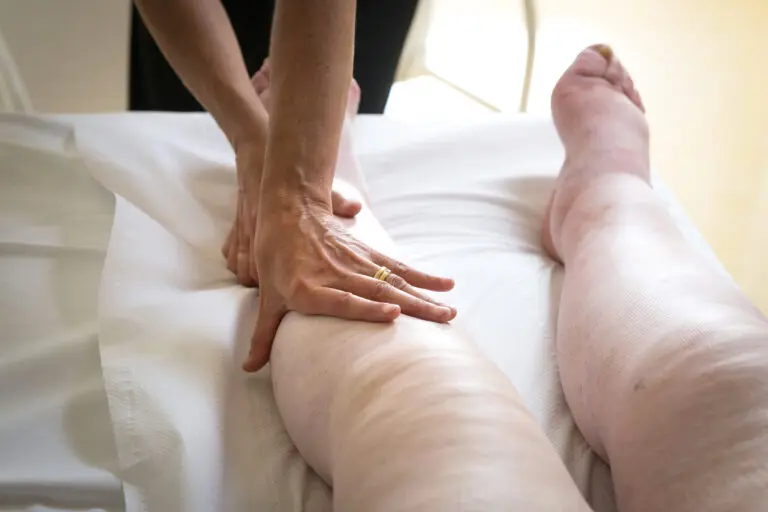
Treatment for Lipoedema Brisbane
At Knead Massage Brisbane our qualified and experienced Lymphatic Therapists can help reduce Lipoedema symptoms such as pain and feelings of tightness in the limbs, lymph node congestion and oedema while helping maintain skin integrity – using scientifically validated methods such as:
-
Complex Decongestive Lymphatic Drainage
-
Pneumatic Compression therapy
-
Laser to open the nodes and decrease inflammation
We understand that even obtaining a Lipoedema diagnosis is a very difficult process. We’re here to help.
Book your Lipoedema Treatment Now
Our Expert Lymphatic Decongestive Massage therapists use only the most effective techniques to reduce the pain and swelling of Lipoedema. (Our practices are in line with The American Guidelines of Lipoedema treatment and other organisations of care, who recommend the following conservative management strategies for lipoedema. https://journals.sagepub.com/doi/full/10.1177/02683555211015887)
What is Lipoedema?
Lipoedema is a progressive chronic condition where body fat distribution in the limbs is excessive while the central body is slim relative to the extremities. Adipose tissue blocks the lymph nodes:
- creating lymphatic congestion
- inflammation
- circulatory conditions
Lipoedema symptoms
One of the characteristic features of lipoedema is that the arms and legs are affected, while the hands and feet are not. Unfortunately, the condition is not responsive to dietary interventions.
The most frequent symptoms of Lipoedema are:
- Fatigue when performing simple activities or doing low to medium impact physical activities
- Presence of pain in extremities
- Circulatory conditions such as bruises without impact
- Generalized inflammation (swelling or oedema) in the lower and/or upper limbs. Predominately affecting the knees, ankles, hips and outside of the arms.
The best treatment approach should be determined according to where you sit within the standardised classifications. Surgery is often the most appropriate treatment for severe Lipoedema. Pre and Post surgery, we can help with lymphatic drainage to reduce the feeling of tightness and pain.
A 2020 review describes 3 stages of lipoedema.
https://www.ncbi.nlm.nih.gov/pmc/articles/PMC7465366/
- stage I: small nodules, reversible oedema
- stage II: walnut-sized nodules, reversible or irreversible oedema
- stage III: disfiguring fat deposits (dimpled pattern), macronodular changes, with accompanying lymphedema
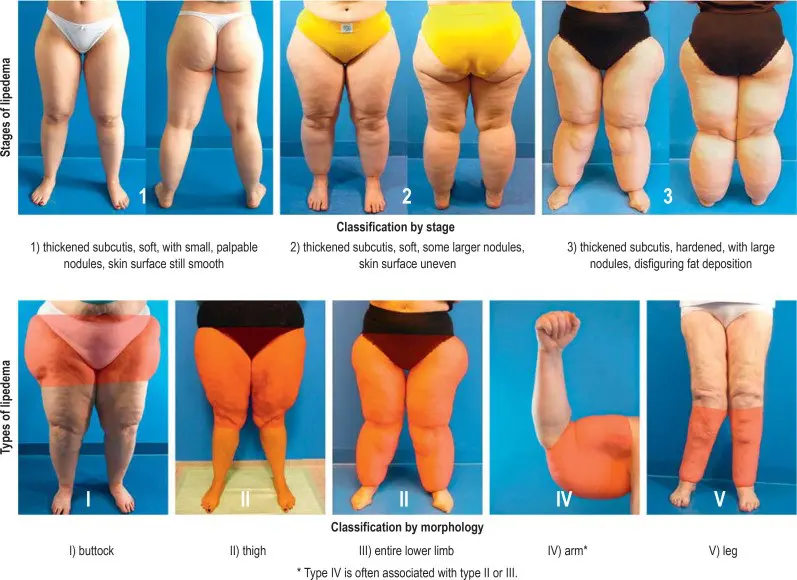
Other symptoms that typically occur in lipoedema include an ease of bruising due to vascular insufficiency.
One of the distinctions of lipoedema, versus a similar condition lipohypertrophy, is that lipoedema is usually painful.
What causes Lipoedema?
The exact cause of Lipoedema remains unclear.
Most cases occur in females (approximately 10% female population is affected). Symptoms first occur during hormone events such as puberty, pregnancy or menopause.
Approximately 60% of those diagnosed with lipoedema have a first degree relative with the condition (parent).
The current theory is that an estrogen dysfunction causes lymphatic and vascular insufficiency – meaning flow of these vessels becomes restricted and the tissue uptake of oxygen is reduced. The lack of oxygenation results in an increase in the growth of dysfunctional blood vessels which lead to hematomas and petechiae. These dysfunctional capillaries allow an excessive amount of lipo-proteins (fat cells) through their walls which accumulate in the lymphatic space (extracellular compartment). It is theorised that this accumulation of material in the extracellular space is what causes the obvious symptoms of lipoedema.
Lipoedema best practice guidelines (what you should do)
Lipoedema is such a difficult condition because currently there is no way to reverse the condition or radically improve the appearance of the tissue. Management of lipoedema is all about preserving and maintaining quality of life, pain free function, skin integrity and reducing the feeling of tightness in the limbs. You can achieve this with a combined management plan consisting of
- Manual Lymphatic Drainage (MLD): A specialized massage technique that complements compression therapy by manually stimulating lymph flow.
- Exercise: Low-impact activities such as swimming, walking, and yoga can enhance lymphatic function and overall fitness.
- Compression therapies: Compression garments are useful in reducing tissue volume and facilitating exercise.
- Nutritional Support: A balanced diet that supports lymphatic health can be beneficial. Although diet alone cannot cure lipoedema, it can help manage symptoms and support overall health.
- Psychological Support: Counseling or support groups can help individuals cope with the emotional challenges of living with a chronic condition like lipoedema.
In severe Lipoedema, liposuction is the gold standard intervention to improve function, maintain skin integrity and reduce pain. Unfortunately, liposuction doesn’t improve the appearance of the affected tissue.
Lipoedema Treatment Brisbane – How can we help?
At Knead Massage Brisbane, our experienced therapists provide focused hands on care for all stages of Lipoedema management. We incorporate expert complex decongestive drainage with proven pain free technology such as Low Level Laser and Pneumatic Compression pumps to help maintain your quality of life and well being.
- Complex decongestive lymphatic drainage has been shown (in multiple studies) to reduce tissue volume by approximately 10%. This will reduce pain and loosen the feeling of tightness in the limbs. Decongestive drainage may also help prevent secondary complications such as skin lesions.
- Clear and stimulate blocked nodes and show you how to do your own lymphatic node drainage sequence.
- Provide Pneumatic compression pump therapy. This has been shown to be equally effective as complex manual lymphatic drainage in multiple studies in reducing tissue volume and pain associated with lipoedema.
- Use low level laser to inflammation and pain
- Deep tissue fascial work (within pain tolerance) has been shown to mobilise the fibrotic adhesion in the limbs and improve the lymphatic interstitial space.
What happens in a Lipoedema Treatment at Knead
In the initial treatment we will discuss your history and assess you to ensure you can receive compression pump therapy and/or low level laser. The treatment begins with node stimulation and clearance and manual lymphatic drainage to stimulate the lymphatic system.
We will then place you in the compression pump for approximately 30 minutes. Time in the pump depends on a lot of factors that will be determined in the assessment. After compression is completed your therapist will clear the nodes again, and demonstrate a self node clearance sequence.
Low Level Laser for lipoedema
Combining low level laser with hands on decongestive techniques is an effective way to reduce inflammation and pain while stimulating the energy system of the lymphatic system. Improving the mitochondrial energy output of the lymphatic cells will encourage an improved lymphatic flow and removal of waste products and fluid. The primary benefit of low level laser for lipoedema is that it changes inflammatory chemicals from chronic pain producing substances to more useful cellular recycling chemicals. Reducing congestion and pain.
There are some contraindications for low level laser and compression pump therapy so your therapist will advise what is right for your condition. Should neither of these treatment options be appropriate your therapist will perform the lymphatic drainage manually.
Book your Lipoedema Treatment Now
How many Lymphatic Drainage Treatments for Lipoedema will I need?
As lipoedema is a chronic condition there is no simple answer. Effectively managing lipoedema symptoms requires building a routine around symptom reduction. Establishing how long each treatment provides relief will enable you to plan your management strategy.
Lipoedema can be an emotionally draining condition and having the support of an understanding therapist can help manage symptoms and improve quality of life. Your therapist can be an important part of your lipoedema management plan. You can also ask your therapist about have Facial lymphatic drainage to add to the feeling of relaxation.
Do you have Lymphatic Drainage Packs?
Yes we have packs for 3, 6 or 9, and purchasing a pack provides a discount.
How do I book?
You can book online or call our clinic. If you have any other health conditions that affect your heart or kidneys please call to make your booking. If you have any questions please contact us by calling 30030801 or use our contact form.
We look forward to meeting and supporting you in your lipoedema journey.
FAQs
Can you massage lipedema?
Manual Lymphatic Drainage (MLD) massage is a key treatment for lipedema, aimed at reducing swelling, pain, inflammation, and improving tissue flexibility. Using gentle, rhythmic strokes, MLD stimulates lymphatic flow and softens fibrotic tissue. It enhances circulation, reduces vascular stress, and supports mobility. MLD is also beneficial before and after liposuction, aiding in tissue preparation, recovery, and scar management.
Benefits include:
- Pain & Heaviness Relief: Reduces discomfort in affected limbs.
- Improved Tissue Texture: Softens and reduces congestion in fibrotic areas.
- Better Circulation: Supports lymphatic and blood flow, easing bruising.
- Enhanced Mobility: Decreases swelling and improves flexibility.
Additional therapies like pneumatic compression and dry brushing can complement MLD, further boosting lymphatic drainage and reducing fluid retention.
Compression for Lipoedema
Pressure pump therapy is an efficient way to move large amounts of lymph fluid and have been shown to reduce the swelling of lipoedema by approximately 10% – which will decrease pain and the feeling of tightness in the limbs. These interventions may also help prevent secondary complications such as skin lesions.
Pneumatic compression pump therapy and complex decongestive lymphatic drainage Pneumatic pumps work well with complex decongestive drainage because you can be working with the pumps on one half of the body, such as the lower limbs, while working on the other half of the body such as the arms simultaneously.
diagnosing lipoedema
Lipedema is diagnosed based on its distinct fat distribution, physical symptoms, and progressive nature. If you have unexplained swelling or pain, a specialist assessment is essential.
Key Diagnostic Features
1. Fat Distribution (Lipohypertrophy)
- Symmetrical, disproportionate fat buildup on the hips, buttocks, legs, and sometimes arms.
- Hands and feet are spared, creating a visible “cuff” at the wrists or ankles.
- Arm involvement occurs in about 30% of cases.
- Limbs appear column-like.
- Fat is resistant to diet, exercise, and weight loss surgery, which mostly reduces trunk fat, increasing limb disproportion.
2. Physical Symptoms
- Known as “Painful Fat Syndrome” due to:
- Pain and tenderness, especially under pressure (confirmed with a pinch test).
- Heaviness, tightness, and easy bruising from fragile capillaries.
- Fibrotic nodules (rice-grain to walnut-sized) in connective tissue.
- Non-pitting edema that varies with disease stage.
3. Staging and Progression
Lipedema progresses through three stages:
- Stage 1: Smooth skin, pebble-like texture, small nodules, reversible swelling.
- Stage 2: Skin dimpling, larger nodules, swelling may become irreversible.
- Stage 3: Thickened, fibrotic tissue, large nodules, overhanging fat, may lead to lipolymphedema (with lymphatic involvement).
difference between lipedema and cellulite
Though lipoedema and cellulite often share similar external characteristics — such as fat accumulation in the hips and thighs, predominantly among women — they are fundamentally different in terms of their underlying mechanisms, symptoms, diagnostic criteria, and management strategies.
- Lipoedema is a long-term, painful fat disorder that resists weight loss, primarily affects women, and involves symmetrical swelling in the lower body while sparing the hands and feet.
- Cellulite, in contrast, is a harmless and highly prevalent cosmetic concern that manifests as dimpled skin. It typically doesn’t involve pain or significant swelling and may improve with lifestyle changes or skin-focused therapies.
1. Underlying Mechanisms and Nature of Each Condition
|
Aspect |
Lipoedema (Lipedema) |
Cellulite (Gynoid Lipodystrophy) |
|
Condition Type |
Chronic connective tissue disorder, sometimes called “Painful Fat Syndrome”; progressive in nature. |
Aesthetic skin alteration causing dimpling, primarily on thighs and buttocks; not inflammatory. |
|
Occurrence |
Affects approximately 6–10% of women. |
Seen in over 80% of women post-puberty; considered a normal physiological trait. |
|
Etiology |
Exact cause unknown; associated with abnormal fat formation, microvascular issues, inflammation, and possible genetic links. |
Attributed to structural differences in fibrous tissue in women, allowing fat to push upward; linked to circulation and lymphatic inefficiency. |
|
Tissue Characteristics |
Nodular, fibrotic fat tissue with extracellular fluid retention due to proteoglycan binding. |
Excess fat trapped between fibrous septa that pull the skin downward, creating dimples. |
2. Clinical Features and Symptomatology
|
Aspect |
Lipoedema |
Cellulite |
|
Pain or Discomfort |
Frequently painful; touch and pressure can trigger tenderness. |
Usually painless. |
|
Pattern & Distribution |
Symmetrical fat buildup in lower limbs and sometimes arms; spares the hands and feet. |
Typically appears on thighs and buttocks, without a symmetrical pattern. |
|
Excluded Regions |
Hands and feet are not affected – a hallmark “cuffing” sign. |
No exclusion zones; fat distribution can be diffuse. |
|
Response to Weight Loss |
Fat deposits remain resistant to diet, exercise, and surgical interventions; disproportion may increase. |
Can improve with fat loss, although not consistently; some may see worsening. |
|
Swelling |
Edema is often present and worsens over time due to fluid retention in connective tissue. |
Minor fluid retention may occur, but swelling is not a defining feature. |
|
Bruising Tendency |
Easily bruised due to fragile capillaries and vascular abnormalities. |
Bruising is not a typical feature. |
3. Diagnosis and Therapeutic Strategies
Diagnostic Criteria:
- Lipoedema: Typically diagnosed through clinical evaluation, noting symmetrical lower body fat distribution, sparing of hands and feet, pain, and bruising. It must be differentiated from obesity, lymphedema, and other fat disorders.
- Cellulite: Diagnosed based on visual cues such as “orange peel” or “mattress” appearance. Tools like the Nürnberger–Müller scale and the Cellulite Severity Scale (CSS) help assess its extent.
Treatment Modalities:
|
Treatment Approach |
Lipoedema |
Cellulite |
|
Manual Lymphatic Drainage (MLD) |
Essential conservative therapy; alleviates pain, swelling, and tissue fibrosis. |
May temporarily enhance appearance by promoting lymphatic and microvascular flow; often used with adjunct methods. |
|
Massage & Mechanical Therapies |
Manual and deep tissue techniques may assist in reducing fibrosis and tissue tightness. |
Methods like endermologie, vacuum massage, and fascia manipulation may reduce skin irregularity. |
|
Clinical Evidence |
MLD is well-established in managing lipoedema symptoms. |
Effectiveness varies; while some patients benefit, controlled trials show inconsistent outcomes. |
difference between lymphedema and lipoedema
1. Causes
- Lymphedema: Caused by damage or dysfunction of lymphatic vessels, leading to fluid buildup.
- Lipedema: A connective tissue disorder causing abnormal fat accumulation, mostly in the lower body.
2. Swelling Pattern
- Lymphedema: Typically asymmetrical; can include hands and feet.
- Lipedema: Symmetrical swelling in legs, thighs, and buttocks; spares hands and feet.
3. Pain and Tenderness
- Lymphedema: Usually painless under pressure.
- Lipedema: Painful, tender fat; often called “painful fat syndrome.”
4. Response to Weight Loss
- Lymphedema: Not weight-related; managed with targeted therapies.
- Lipedema: Resistant to diet, exercise, and standard surgery.
5. Distinctive Signs
- Lymphedema:
- Pitting edema
- Positive Stemmer sign (skin on toes/fingers can’t be lifted)
- Lipedema:
- Easy bruising
- Negative Stemmer sign (skin can be lifted)
Pathophysiology
- Lymphedema: Results from congenital or acquired lymphatic damage; fluid is protein-rich and free-moving.
- Lipedema: Involves abnormal fat growth, poor capillary function, inflammation, and fibrosis; fluid is trapped in tissue matrix.
Diagnosis
- Lymphedema: Clinical exam, confirmed by lymphangioscintigraphy.
- Lipedema: Based on clinical features like symmetry, pain, sparing of feet, and bruising.
Treatment
Shared Core Therapies
- Manual Lymphatic Drainage (MLD): Stimulates lymph flow, reduces swelling and pain, softens tissue.
- Pneumatic Compression (PCD): Devices like Lympha Press apply rhythmic pressure to enhance drainage and reduce edema.
PCD Benefits for Lipedema:
- Improves lymph flow
- Reduces swelling (~10%)
- Relieves pain and heaviness
- Enhances circulation
- Softens fibrotic tissue
Lymphedema-Specific
- Complete Decongestive Therapy (CDT): Combines MLD, compression, exercise, and skin care. Long-term management is essential.
Lipedema-Specific
- Conservative Care: Nutrition support, compression garments, low-impact exercise (e.g., swimming).
- Surgical: Liposuction (Grades 2–3) removes diseased fat and slows progression, though not for cosmetic improvement.
do i have lipoedema
Lipedema is a chronic, progressive loose connective tissue (LCT) disorder that primarily affects women. Characterized by abnormal, symmetrical fat accumulation, especially in the lower body (buttocks, hips, legs, sometimes arms), while the hands, feet, and trunk are typically spared.
Key Clinical Features
- Disproportionate Fat Distribution: Symmetrical fat buildup in extremities with relative sparing of the upper body.
- Cuff Phenomenon: Abrupt transition at ankles or wrists due to sparing of hands and feet.
- Pain & Heaviness: Affected areas are tender, heavy, and tense.
- Easy Bruising: Due to fragile capillaries (microangiopathy).
- Diet/Exercise Resistance: Fat tissue doesn’t respond to typical weight loss methods.
- Nodular Texture: Tissue may feel like small nodules (like rice grains or pearls), indicating fibrosis.
- Symptom Worsening: Discomfort increases throughout the day.
- Hormonal Onset: Often begins or worsens during puberty, pregnancy, or menopause.
Stages of Lipedema
- Stage I: Smooth skin, small nodules, possible reversible edema.
- Stage II: Skin dimpling, larger nodules (walnut-sized), more fibrosis, edema may become irreversible.
- Stage III: Severe fibrosis, large lobes of tissue, often with lymphedema (lipolymphedema).
Differentiation from Other Conditions
- Vs. Obesity:
- Lipedema fat is resistant to weight loss.
- Disproportionate lower body fat and pain are typical (unlike regular obesity).
- Vs. Lymphedema:
- Lipedema is symmetrical; lymphedema is often asymmetrical.
- Lipedema spares hands/feet; lymphedema involves them.
- Lipedema tissue is painful; lymphedema usually is not.
- When lipedema advances to include lymphedema, it’s called lipolymphedema.
dry brush lipoedema
Dry brushing is a gentle, conservative technique used to help manage lipoedema by supporting lymphatic flow and skin health. It involves brushing dry skin with a stiff-bristled brush in long, upward strokes toward the heart, typically for 5–10 minutes before showering.
Key Benefits:
- Stimulates Lymphatic Flow – Aids in draining excess fluid and waste, reducing swelling.
- Boosts Circulation – Enhances blood flow and nutrient delivery.
- Improves Skin – Exfoliates and promotes healthier, smoother skin.
Guidelines:
- Use on dry skin with light to moderate pressure.
- Begin near the trunk and brush outward toward the limbs, always moving toward the heart.
- Perform under guidance from a qualified lymphatic drainage therapist.
- Recommended frequency: 2–3 times per week.
Precautions:
Avoid brushing over varicose veins, inflamed or broken skin, and areas with conditions like eczema or psoriasis. Overuse or excessive pressure may cause irritation.
how do you know if you have lipoedema
Lipedema Diagnosis is based on clinical criteria focused on the characteristic distribution of fat, physical symptoms, and disease progression. If experiencing unexplained pain or swelling, a specialist evaluation is essential.
Key Diagnostic Criteria:
1. Characteristic Fat Distribution (Lipohypertrophy)
- Symmetrical, disproportionate fat accumulation on limbs (especially buttocks, hips, legs, and sometimes arms).
- Sparing of hands and feet, creating a visible “cuff phenomenon” at the wrists or ankles.
- Arm involvement occurs in ~30% of cases.
- Affected limbs often appear column-like.
- Diet-resistant fat: Fat does not reduce with diet, exercise, or bariatric surgery—weight loss occurs mostly in the trunk, worsening disproportion.
2. Physical Symptoms
- Known as “Painful Fat Syndrome” due to the following features:
- Pain and tenderness, especially with pressure or touch (often confirmed via the pinch test).
- Heaviness and tightness in limbs.
- Easy bruising and petechiae due to fragile capillaries and microvascular dysfunction.
- Fibrotic nodules (rice-grain to walnut-sized) in connective tissue.
- Non-pitting edema (swelling), which may vary by disease stage.
3. Staging and Progression
Lipedema is chronic and progressive, classified into three stages based on skin and tissue changes:
- Stage 1:
- Smooth skin, pebble-like texture under the skin
- Small nodules and reversible swelling
- Stage 2:
- Skin dimpling, larger nodules (up to walnut-sized)
- May include irreversible swelling
- Stage 3:
- Thickened, fibrotic tissue with large nodules and overhanging fat lobules
- May progress to lipolymphedema (combined lipedema and lymphedema)
how is lipedema diagnosed
Lipedema is diagnosed by looking at how fat is distributed, the physical symptoms, and how the condition progresses over time. If you notice unexplained swelling or pain, it’s important to your GP immediately.
Key Signs of Lipedema
- Fat Distribution (Lipohypertrophy)
Lipedema causes fat to build up in a symmetrical but uneven way, mostly around the hips, buttocks, legs, and sometimes the arms. The hands and feet usually don’t get affected, which creates a “cuff” look around the wrists and ankles. About 30% of people with lipedema have arm involvement. The limbs often look column-shaped. This fat doesn’t shrink with diet, exercise, or weight loss surgery, which mostly reduces fat in the trunk and can make the difference between trunk and limb size even more obvious. - Physical Symptoms
Lipedema is often called “Painful Fat Syndrome” because the fat tissue can be painful and tender, especially when pressed, which can be checked with a pinch test. People also feel heaviness and tightness in their limbs. The skin bruises easily because the tiny blood vessels are fragile. Underneath the skin, there can be fibrotic nodules—small lumps about the size of rice grains to walnuts. Swelling happens too, but it’s non-pitting and can change depending on the stage of the disease. - Stages and How It Progresses
Lipedema gets worse in three stages:
- Stage 1: Skin looks smooth, but feels bumpy like little pebbles under the surface. Small nodules and swelling happen, but swelling can go away.
- Stage 2: The skin starts to dimple, nodules get bigger, and swelling might not go away anymore.
- Stage 3: Tissue becomes thick and fibrous with large nodules and folds of hanging fat. This stage may lead to lipolymphedema, which means lymphatic swelling occurs in tandem with lipedema..
how to treat lipoedema
Lipedema: Treatment Overview
Lipedema is a chronic, progressive connective tissue disorder with no known cure. Treatment focuses on symptom management—reducing pain, swelling, and tightness—while maintaining mobility and improving quality of life.
Treatment Approach: Multidisciplinary Care
- Combines conservative (non-surgical) and surgical
- Early diagnosis and treatment lead to better outcomes.
- Surgery is usually only considered in advanced stages and after conservative therapies have been tried.
Non-Surgical First-Line Therapy aims to relieve symptoms, slow disease progression, and preserve function.
Manual Lymphatic Drainage (MLD)
- Gentle massage that stimulates lymph flow.
- Helps reduce heaviness, swelling, pain, and fibrotic tissue.
- Can reduce tissue volume by ~10%.
- Should be performed by a Certified Lymphatic Therapist (CLT) using gentle, non-painful techniques.
Pneumatic Compression Devices (PCDs)
- At-home devices with inflatable sleeves that apply rhythmic pressure.
- Move lymph fluid and reduce edema and pain.
- May be as effective as manual lymphatic drainage for volume reduction.
Compression Garments
- Essential for supporting tissues, managing edema, and relieving pain.
- Should be tailored to the individual’s condition and ability to wear them comfortably.
how do i know if i have lipoedema
Lipedema: Treatment Overview
Lipedema is a chronic, progressive connective tissue disorder with no known cure. Treatment focuses on symptom management—reducing pain, swelling, and tightness—while maintaining mobility and improving quality of life.
Treatment Approach: Multidisciplinary Care
- Combines conservative (non-surgical) and surgical
- Early diagnosis and treatment lead to better outcomes.
- Surgery is usually only considered in advanced stages and after conservative therapies have been tried.
Non-Surgical First-Line Therapy aims to relieve symptoms, slow disease progression, and preserve function.
Manual Lymphatic Drainage (MLD)
- Gentle massage that stimulates lymph flow.
- Helps reduce heaviness, swelling, pain, and fibrotic tissue.
- Can reduce tissue volume by ~10%.
- Should be performed by a Certified Lymphatic Therapist (CLT) using gentle, non-painful techniques.
Pneumatic Compression Devices (PCDs)
- At-home devices with inflatable sleeves that apply rhythmic pressure.
- Move lymph fluid and reduce edema and pain.
- May be as effective as manual lymphatic drainage for volume reduction.
Compression Garments
- Essential for supporting tissues, managing edema, and relieving pain.
- Should be tailored to the individual’s condition and ability to wear them comfortably.
how do i know if i have lipoedema
Lipedema is diagnosed clinically, based on fat distribution, physical symptoms, and disease progression. If you experience unexplained limb pain or swelling, consult your GP immediately.
- Fat Distribution (Lipohypertrophy)
- Symmetrical, disproportionate fat buildup on hips, buttocks, legs, and sometimes arms
- Hands and feet are unaffected, creating a distinct “cuff” at wrists or ankles
- Arms are involved in ~30% of cases
- Limbs appear column-like
- Fat is resistant to diet, exercise, or bariatric surgery—weight loss typically affects only the trunk
- Physical Symptoms (“Painful Fat Syndrome”)
- Pain and tenderness, especially on touch (e.g., pinch test)
- Heaviness, tightness in limbs
- Easy bruising and petechiae from fragile capillaries
- Fibrotic nodules (rice-grain to walnut-sized) under the skin
- Non-pitting edema, varying by stage
- Stages of Progression
- Stage 1: Smooth skin, small nodules, reversible swelling
- Stage 2: Skin dimpling, larger nodules, possible permanent swelling
- Stage 3: Thickened tissue, large nodules, fat overhang; may progress to lipolymphedema (lipedema + lymphedema)
Is massage good for lipedema?
Yes. Recognised as best practice internationally Manual Lymphatic Drainage (MLD) is an effective treatment, reducing swelling, pain, and inflammation. Knead Massage Brisbane offers highly qualified MLD for the management of lipedema.
This gentle technique is also beneficial before and after liposuction—supporting tissue preparation, enhancing recovery, and assisting with scar management.
Key Benefits of MLD:
- Pain & Heaviness Relief – Alleviates discomfort in affected limbs
- Improved Tissue Texture – Softens fibrotic areas and reduces congestion
- Better Circulation – Promotes lymphatic and blood flow, helping reduce bruising
- Enhanced Mobility – Decreases swelling and improves range of motion
To further support lymphatic function, Pneumatic Compression Therapy (PCD) can be used alongside MLD. This therapy involves inflatable cuffs that deliver rhythmic, sequential pressure to the limbs, stimulating lymph flow and reducing fluid build-up. At Knead Massage, we use the advanced Lympha Press system for optimal results.
PCD Benefits for Lipedema:
- Stimulates Lymph Flow – Encourages drainage and fluid balance
- Reduces Swelling – Lowers tissue volume (~10%) and minimises edema
- Relieves Pain – Eases sensations of tightness and heaviness
- Improves Circulation – Enhances delivery of nutrients and removal of waste
- Softens Tissue – Helps reduce fibrotic or hardened areas
For best outcomes, PCD is most effective when combined with MLD as part of a personalised treatment plan.
Book your lipedema treatment today:
lipedema and liposuction
Summary: Lipedema Reduction Surgery (LRS)
Lipedema reduction surgery is currently the only known method to remove abnormal lipedema tissue and slow disease progression. It involves techniques like suction lipectomy (liposuction), excision, and manual extraction. It is especially effective for moderate to severe cases (Grade 2 and 3) and is ideally performed before complications develop.
Surgical Techniques
- LRS removes diseased tissue (fat cells, nodules, fibrosis) while preserving blood and lymph vessels.
- Preferred methods include:
- Tumescent liposuction (injection of solution to reduce pain/bleeding)
- Water-Assisted Liposuction (WAL)
- Power-Assisted Liposuction (PAL)
Outcomes and Benefits
Studies (up to 8 years follow-up) show LRS provides significant improvement in:
- Symptoms: Pain, tightness, bruising, quality of life
- Function: Mobility, gait, joint alignment
- Lymphatic health: Often reduces or eliminates need for CDT
- Physical measurements: Reduced leg size and need for conservative treatments
Note: LRS focuses on function and pain relief, not cosmetic enhancement.
Pre- and Post-Operative Management
Before Surgery:
- LRS is recommended after 6–12 months of conservative therapy failure.
- Patients with lipolymphedema should undergo intensive CDT before surgery.
After Surgery:
- Ongoing care includes:
- Manual Lymphatic Drainage (MLD) 2–3 times/week
- Compression therapy (garments and pneumatic pumps)
- Lifelong compression garments may be needed in advanced cases
Risks and Considerations
- LRS may be less effective in advanced lipedema with extensive fibrosis.
- In such cases, open surgical debulking may be required.
- Risks include potential lymphatic damage and long-term complications.
lipedema arms
Lipedema is a chronic condition marked by abnormal fat accumulation, mainly in the hips, thighs, and buttocks, but also the arms. It features nodular and fibrotic fat, with the hands and feet typically spared—creating a distinct “cuff” at the wrists or ankles.
Arm Involvement: Clinical Characteristics
- Affects ~30% of lipedema cases; considered Type IV in the location classification.
- In Stage 2, arm tissue may hang due to heaviness and loss of elasticity, often overhanging the elbows and forming a prominent wrist cuff.
- Swelling or generalized inflammation in the upper limbs may occur.
Conservative Management Overview
Initial treatment focuses on symptom relief and preventing complications, using non-invasive therapies.
Key Components:
1. Manual Lymphatic Drainage (MLD)
- Gentle massage technique that boosts lymphatic flow, easing swelling, heaviness, and discomfort.
- May reduce tissue volume by 5–10%.
- Non-painful and calming; patients can be taught to perform self-MLD at home.
2. Pneumatic Compression Therapy (PCD)
- Uses inflatable sleeves (e.g., Lympha Press system) to apply rhythmic pressure to the limbs.
- Often used alongside MLD for best results.
PCD Benefits:
- Improves lymphatic drainage and fluid regulation
- Reduces swelling (up to 10% volume reduction)
- Alleviates pain and heaviness
- Enhances circulation and waste removal
- Softens fibrotic or hardened tissue
Combining MLD and PCD in a personalized care plan yields the most effective outcomes in lipedema management.
lipedema arms treatment
Lipedema is a chronic, incurable condition marked by abnormal fat accumulation, mainly in the hips, thighs, and buttocks, and sometimes the arms. It features nodular, fibrotic fat, with the hands and feet typically spared—creating a distinct “cuff” at the wrists or ankles where the fat abruptly stops.
About 30% of cases involve the arms, classified as Type IV. In Stage 2, arm fat may sag due to heaviness and reduced skin elasticity, often overhanging the elbows and forming a pronounced wrist cuff. Generalized swelling or inflammation in the upper limbs may also occur.
Conservative Treatment Approaches
Management of lipedema typically begins with non-invasive methods aimed at easing symptoms and preventing the condition from worsening. Two of the most commonly used therapies are Manual Lymphatic Drainage (MLD) and Pneumatic Compression Therapy (PCD).
- Manual Lymphatic Drainage (MLD)
This is a light, therapeutic massage technique designed to enhance lymph flow, helping to reduce swelling, discomfort, and the sensation of heaviness. MLD can lead to a 5–10% reduction in tissue volume and is both soothing and painless. Patients may also be trained to perform self-MLD at home for ongoing care.
- Pneumatic Compression Therapy (PCD)
PCD uses inflatable sleeves (Knead Massage use the industry leading Lympha Press system) to apply rhythmic pressure to the limbs. Often used alongside MLD, this therapy improves fluid movement and offers multiple benefits.
Key Advantages of PCD include:
- Enhanced lymphatic drainage and improved fluid movement
- Reduction in swelling (up to 10% volume loss)
- Relief from pain and heaviness
- Improved circulation and detoxification
- Softening of fibrotic or hardened fat tissue
When MLD and PCD are used together in a customized treatment plan, they offer the most effective strategy for managing lipedema symptoms and improving quality of life.
lipedema Brisbane
At Knead Massage Brisbane, we deliver targeted, evidence-based care for individuals with lipedema, primarily through Manual Lymphatic Drainage (MLD). As a core component of lipedema management, MLD has been shown to ease swelling, reduce discomfort and inflammation, and enhance tissue mobility. It is especially beneficial both pre- and post-liposuction, supporting recovery and scar tissue healing.
MLD: Key Therapeutic Benefits
- Relieves pain and heaviness in affected areas
- Breaks down fibrotic tissue and reduces fluid buildup
- Boosts circulation and minimizes bruising
- Improves tissue flexibility by lowering inflammation and swelling
To further support lymphatic health, we also offer Pneumatic Compression Therapy (PCD), using the state-of-the-art Lympha Press system. This system applies gentle, rhythmic compression via inflatable cuffs to promote lymph flow and reduce fluid accumulation.
PCD: Primary Benefits
- Encourages efficient lymphatic drainage
- Reduces swelling and edema (up to 10%)
- Eases tightness and discomfort
- Enhances blood and lymph circulation
- Helps soften and break down hardened tissue
For the most effective results, we integrate MLD and PCD into a personalized treatment plan tailored to your specific needs and stage of lipedema.
Start your lipedema care journey with us today.
Book your session at Knead Massage Brisbane:
lipedema causes
Lipedema is a long-term, progressive disease that affects the loose connective tissue (LCT) in the body. The exact cause is unknown, and there is currently no cure, but researchers have identified possible triggers.
How Lipedema Affects the Body
- Loose Connective Tissue Disease
Lipedema is a disease of connective tissue, not just fat. It leads to thickened, fibrotic fat, mainly on the hips, buttocks, legs, and sometimes arms. - Abnormal Fat Cell Growth (Adipogenesis)
Fat cells grow larger or increase in number due to changes in how they form. - Inflammation and Blood Vessel Damage (Microangiopathy)
- Poor oxygen supply in growing fat tissue causes inflammation and damaged small blood vessels.
- These vessels become fragile and leaky, leading to easy bruising, swelling, and fluid buildup.
- Lymphatic System Overload
The lymph system can’t drain the extra fluid, causing persistent swelling (edema). - Tissue Remodeling
Body changes (like growth, stress, or injury) may trigger tissue changes that lead to lipedema.
Who Is at Risk?
- Gender: Mostly affects females; rare in males.
- Hormones: Often begins during puberty, pregnancy, or menopause, suggesting a link to estrogen.
- Genetics: Runs in families; up to 60% have a close relative with lipedema.
- May involve a gene (AKR1C1) linked to increased fat cell growth.
- Other Triggers: Can include stress, injury, or surgery that affects tissue.
lipedema diagnosis
Lipedema is primarily diagnosed through clinical evaluation, as no definitive biomarkers or objective diagnostic tests are currently available for routine use. It predominantly affects women and is a chronic disorder of fibrotic loose connective (adipose) tissue.
Key Diagnostic Features:
- Fat Distribution & Symmetry: Symmetrical fat accumulation in the buttocks, hips, and limbs, with the trunk remaining relatively unaffected.
- Cuff Sign: Hands and feet are usually spared, though ~30% of patients may have hand involvement due to tissue laxity.
- Pain & Tenderness: Affected areas are often painful to touch; pinch test can reveal significant discomfort.
- Easy Bruising: High tendency to bruise due to capillary fragility.
- Resistance to Weight Loss: Lipedema fat is resistant to diet, exercise, and bariatric surgery, often leading to disproportionate body shape.
- Onset Triggers: Commonly begins or worsens during hormonal changes (e.g., puberty, pregnancy, menopause).
- Other Physical Signs: Includes limb heaviness, skin hypothermia, palpable fibrotic nodules, and a nodular texture.
Diagnostic Process:
Diagnosis involves history-taking, physical inspection, and palpation. Due to frequent misdiagnosis (often mistaken for obesity or lymphedema), expert assessment by a lymphologist is advised when unclear.
Staging of Lipedema:
|
Stage |
Clinical Features |
|
Stage 1 |
Smooth skin; subdermal nodules (pebble-like); reversible edema. |
|
Stage 2 |
Dimpled skin; larger nodules (walnut-sized); progressive fibrosis; edema may be reversible or not. |
|
Stage 3 |
Extensive fibrosis; large nodules and lobules; often co-occurs with lymphedema (lipolymphedema). |
Note: Symptom severity does not always align with disease stage.
Lipedema is frequently misidentified as obesity or lymphedema, leading to underdiagnosis. Proper differentiation is critical due to differences in treatment and progression.
lipedema fat
Key Features of Lipedema Fat
- Symmetry & Disproportion: Fat accumulates bilaterally and symmetrically, mainly in the limbs, while the trunk remains slim, creating a disproportionate body shape.
- Primary Areas Affected: Buttocks, hips, legs, arms, and sometimes the lower abdomen.
- Sparing of Hands/Feet: Hands and feet are usually unaffected, causing a visible “cuff” at the wrists or ankles. About 30% of women may have fat on hands due to loss of tissue elasticity.
- Pain & Tenderness: Tissue is painful to touch, distinguishing it from typical obesity.
- Texture & Nodules: Fatty tissue contains palpable nodules (rice-grain to pearl-sized) due to fibrosis.
- Easy Bruising: Due to capillary fragility and microangiopathy.
- Pathophysiology & Resistance to Weight Loss
- Not Just Fat: Lipedema is a loose connective tissue (LCT) disease, not just excess adipose tissue.
- Weight Loss Resistance: Diet, exercise, and bariatric surgery typically don’t reduce lipedema fat. Weight loss affects mainly the trunk, worsening body disproportionality.
- Inflammatory and Structural Changes:
- Presence of inflammation, fibrosis, and bound extracellular edema.
- Proteoglycan-rich extracellular matrix traps fluid.
- May cause lymphatic congestion by compressing lymph vessels.
- Evidence of altered adipogenesis and inflammatory angiogenesis not found in typical obesity.
lipedema fat vs normal fat
Lipedema fat (called loose connective tissue or LCT) is different from normal fat in how it looks, feels, behaves in the body, and reacts to weight loss. It’s not just a fat disorder — it’s a disease of the tissue that supports fat.
- What Lipedema Is
Lipedema is better understood as an incurable loose connective tissue disease, not just a fat problem. The fat in lipedema is pathological, meaning it’s changed in a way that causes problems. It’s often lumpy (nodular) and firm (fibrotic). Lipedema is a condition that must be managed to maintain pain free function.
- Where Lipedema Fat Appears
|
Feature |
Lipedema Fat |
Normal Fat (Obesity) |
|
Primary Location |
Lower tummy, hips, buttocks, legs, sometimes arms (gynoid pattern) |
Can affect both limbs and trunk; more trunk fat is common |
|
Involved Areas |
Fat builds up evenly on both sides of limbs |
Swelling may be uneven |
|
Areas Spared |
Hands and feet are not affected — leads to a visible “cuff” at wrists/ankles |
Hands and feet may swell |
|
Abdominal Involvement |
Can include lower abdomen (below belly button) |
More commonly includes whole trunk area |
- Physical & Structural Differences
Lipedema fat feels and behaves differently than regular fat:
- Nodularity & Fibrosis: Feels like small lumps (like rice grains or pearls) under the skin — due to thickened tissue.
- Pain & Tenderness: Common — fat is often sore or painful when touched or pressed (unlike in regular obesity).
- Bruising: Easy bruising because of fragile blood vessels.
- Skin Texture: Skin can feel smooth but bumpy underneath (early stages) or show visible dimples and large lumps (later stages).
- Edema (Swelling): Lipedema tissue often contains trapped fluid, unlike similar conditions like lipohypertrophy, which don’t have swelling or pain.
- Microscopic & Chemical Differences
Lipedema fat shows clear differences under the microscope:
- Inflammation: Lipedema tissue is inflamed and contains more small, widened blood vessels (angiogenesis).
- Macrophages: Lipedema fat has more M2 macrophages (linked to tissue repair), while regular obesity has more M1 macrophages (linked to inflammation).
- Extracellular Matrix (ECM): The space between cells (ECM) is enlarged and holds more fluid in lipedema. This fluid sticks to molecules called proteoglycans.
- Sodium: Women with lipedema have more sodium stored in their skin and fat tissue.
lipedema in arms
Lipedema is a progressive, incurable condition characterized by the abnormal buildup of fat, most commonly affecting the hips, thighs, and buttocks, and occasionally extending to the arms. This fat is often nodular and fibrotic in texture. Notably, the hands and feet are usually unaffected, creating a sharp transition or “cuff” around the wrists or ankles where the fat stops.
Arm Involvement (Type IV Lipedema)
Around 30% of lipedema cases include fat accumulation in the arms, categorized as Type IV. By Stage 2, excess fat in the upper arms may begin to sag due to its weight and reduced skin elasticity, often forming an overhang at the elbows and a well-defined wrist cuff. Some individuals may also experience generalized swelling or inflammation in the upper limbs.
Conservative Management Options
Initial treatment for lipedema focuses on non-surgical interventions that relieve symptoms and slow progression. Two key therapies are Manual Lymphatic Drainage (MLD) and Pneumatic Compression Therapy (PCD).
- Manual Lymphatic Drainage (MLD)
MLD is a gentle massage technique that stimulates lymphatic flow, helping to reduce swelling, heaviness, and discomfort. This approach can lead to a 5–10% reduction in tissue volume. It is soothing, non-invasive, and patients can be taught to perform self-MLD at home.
- Pneumatic Compression Therapy (PCD)
PCD uses inflatable sleeves (Knead Massage use the industry leading Lympha Press system) to apply rhythmic pressure to the limbs. Often used alongside MLD, this therapy improves fluid movement and offers multiple benefits.
Benefits of PCD include:
- Enhanced lymphatic drainage
- Reduced limb volume (up to 10%)
- Decreased pain and heaviness
- Better circulation and waste elimination
- Softening of fibrotic or firm tissues
When combined in a tailored care plan, MLD and PCD form an effective, non-invasive strategy to manage lipedema and enhance patient quality of life.
lipedema in legs
Lipedema is a chronic, progressive connective tissue disorder that mainly affects women. It is marked by an abnormal and disproportionate buildup of fibrotic fat, especially in the legs, hips, buttocks, and sometimes the lower abdomen. The condition typically presents symmetrically and notably spares the hands and feet, often creating a “cuff” at the ankles or wrists.
Lipedema in the Legs:
The legs are the most commonly affected area. The fat tissue is nodular and fibrotic, often giving the legs a column-like appearance. Lipedema is classified by types and stages based on severity.
lipedema in stomach
Lipedema is a condition where fat builds up unevenly, usually in the arms and legs, while the upper body and trunk stay slim. It mostly affects women and involves a type of soft, fibrous fat that can also appear in areas like the lower stomach, hips, buttocks, and limbs. Even though the fat usually appears on the limbs, it can also show up on the stomach, especially in women with metabolic issues.
Classifications of lipedema fall into different types (Types I to V) – based on where the fat is. In Type I, the fat is found under the belly button and around the hips and buttocks.
Abdominal Involvement: How It’s Checked and Treated
- BMI Can Be Misleading: Even though many people with lipedema have a high BMI, it may not mean they are overweight in the usual way. Their upper body may look slim, and the high BMI is due to the extra fat in the lower body.
- Manual Lymphatic Drainage (MLD): This gentle massage helps move lymph fluid and is often used to treat lipedema.
- Treatment usually starts with the abdominal area to help clear lymph nodes.
- For people with constipation (which can be related), MLD might start at the neck (over the vagus nerve) and continue down through the digestive system.
- Deep belly breathing is also encouraged because it helps lymph flow better.
- Measuring Fat: Some studies measure fat thickness in the belly area using tools like skinfold calipers. One study found that after treatments like massage and MLD, women had less belly fat.
- Gut Health Matters: Lipedema treatment may also include checking for digestive problems. MLD can help reduce bloating from gut issues. Abdominal massage has been shown to improve digestion, ease constipation, and reduce belly size and swelling in many people.
lipedema knees
Lipedema is a condition that mostly affects women. It causes the build-up of thick, tough fat (called fibrotic fat) on the hips, butt, legs, and sometimes the arms. The fat often builds up around the knees, which can cause pain and make moving around harder.
Lipedema usually affects the lower half of the body, like the hips, thighs, butt, knees, and ankles. It doesn’t usually affect the hands or feet (this is called the “cuff sign”).
There are different types of lipedema based on where the fat builds up:
- Type II: Fat builds up from just below the belly button to the knees.
- Type III: Fat builds up from just below the belly button all the way down to the ankles.
- Swelling (called edema) often happens, especially around the knees, hips, ankles, and sometimes the upper arms.
Problems and Symptoms That Come With It
Lipedema fat can cause:
- Joint Problems and Balance Issues: The fat can make joints less stable, especially the knees. This can lead to problems like knock-knees (when knees bend inward), poor posture, and trouble balancing.
- Arthritis and Walking Problems: The fat can make walking difficult and lead to arthritis in the knees because of extra pressure on the joints.
- Severe Cases: In more serious cases (Stage III), the fat becomes harder and forms large lumps under the skin, especially around the knees and thighs.
Treatment and Management
Manual Lymphatic Drainage (MLD) is a key therapy for lipedema that reduces swelling, pain, and inflammation while improving tissue flexibility. Using gentle, rhythmic strokes, MLD stimulates lymph flow, softens fibrotic tissue, enhances circulation, and supports mobility. It’s also useful before and after liposuction to prepare tissue, aid recovery, and manage scars.
Key Benefits:
- Pain Relief: Eases heaviness and discomfort.
- Tissue Improvement: Softens fibrotic areas and clears congestion.
- Better Circulation: Supports lymph and blood flow, reducing bruising.
- Improved Mobility: Reduces swelling and increases flexibility.
Complementary therapies like pneumatic compression and dry brushing can further enhance lymphatic drainage and reduce fluid retention.
lipedema liposuction
Lipedema reduction surgery (LRS) is currently the only treatment that removes diseased tissue and slows lipedema progression. It involves liposuction, excision, and manual tissue removal, and is most effective in Grade 2 and 3 lipedema. Early intervention—before complications arise—offers the best outcomes.
Surgical Approach
LRS targets abnormal fat cells, nodules, and fibrotic tissue, while sparing blood and lymph vessels.
Preferred techniques include:
- Tumescent liposuction (fluid injection reduces pain/bleeding)
- Water-Assisted Liposuction (WAL)
- Power-Assisted Liposuction (PAL)
Tumescence and WAL have shown the most consistent results.
Benefits and Outcomes
Studies with up to 8 years of follow-up show LRS significantly improves:
- Symptoms: Pain, tightness, bruising, quality of life
- Function: Mobility, gait, joint alignment
- Lymph flow: Reduced need for Complete Decongestive Therapy (CDT)
- Measurements: Decreased leg size, less reliance on conservative care
Note: LRS is functional, not cosmetic—it improves quality of life, not appearance.
Before and After Surgery
Pre-Op
- Surgery follows 6–12 months of conservative therapy
- Lipolymphedema requires intensive CDT before surgery (3–4x/week).
Post-Op
- Manual Lymphatic Drainage (MLD) 2–3x/week until swelling subsides
- Compression therapy and pneumatic pumps are essential
- Compression garment use:
- 2–3 months (early-stage)
- Ongoing/lifelong (advanced-stage)
Limitations and Risks
LRS is less effective in advanced fibrotic stages, where open debulking surgery may be needed.
Potential risks include lymphatic damage and long-term complications.
lipedema lymphatic massage
Lipedema is a chronic condition, mainly in women, marked by the abnormal buildup of painful, fibrotic fat on the buttocks, hips, and limbs, while sparing the hands and feet. This fat is resistant to diet, exercise, and surgery.
Manual Lymphatic Drainage (MLD) is a cornerstone of conservative treatment for lipedema. It’s a gentle, rhythmic massage technique designed to stimulate lymph flow by lightly stretching the skin, avoiding deep pressure to prevent compressing lymphatic vessels.
Benefits of MLD for Lipedema:
- Reduces pain, heaviness, and swelling in affected limbs by promoting drainage.
- Improves lymphatic flow and circulation, aiding in waste and fluid removal.
- Softens fibrotic tissue, improving texture and pliability.
- Enhances mobility and function by reducing swelling and increasing flexibility.
While MLD may only reduce tissue volume by 5–10%, it significantly improves comfort and quality of life.
Book your lipedema treatment today:
lipedema massage
Manual Lymphatic Drainage (MLD) massage, is a key part of conservative lipedema management, focusing on symptom relief—such as pain, tightness, and swelling—rather than cosmetic improvement. MLD is a gentle, light-pressure technique that stimulates lymphatic flow and drainage, reducing edema and supporting overall tissue health. It begins with clearing central lymph nodes before moving to the extremities to ensure effective fluid movement. MLD is recognized by international guidelines as essential in both conservative and surgical lipedema care, with benefits including reduced pain, improved circulation, stronger capillaries, and a 5–10% reduction in tissue volume.
To enhance the effects of MLD, we also offer Pneumatic Compression Therapy (PCD) using the advanced Lympha Press system. This technology uses gentle, rhythmic pressure through inflatable cuffs to stimulate lymphatic flow and reduce fluid retention.
Key Benefits of PCD:
• Stimulates lymphatic drainage
• Minimizes swelling and edema (up to 10%)
• Reduces tightness and discomfort
• Improves both blood and lymph circulation
• Helps break down hardened tissue
For optimal outcomes, MLD and PCD are combined into a customized treatment plan tailored specifically to your situation.
Book your lipedema therapy today at Knead Massage Brisbane.
lipedema massage
Knead Massage Brisbane offers Manual Lymphatic Drainage (MLD) grounded in evidence-based practice, specifically for the treatment and management of lipedema. MLD is globally acknowledged as a primary therapy, known to reduce swelling, pain, and inflammation, while also enhancing tissue flexibility. It’s particularly valuable both before and after liposuction, helping prepare the tissue, promote healing, and manage scar formation.
Key Benefits of MLD:
- Alleviates Pain & Heaviness: Helps relieve discomfort and the sensation of weight in affected limbs.
- Improves Tissue Quality: Softens hardened or fibrotic areas and eases tissue congestion.
- Enhances Circulation: Boosts lymphatic and blood flow, which may reduce bruising.
- Supports Mobility: Decreases swelling and increases range of motion and flexibility.
In addition to MLD, Knead Massage incorporates Pneumatic Compression Therapy (PCD), which uses inflatable cuffs to deliver controlled, rhythmic pressure along the limbs. This sequential compression stimulates lymphatic movement and helps manage fluid retention. At Knead Massage, the Lympha Press system is used for optimal results.
PCD Benefits for Lipedema:
- Promotes Lymphatic Drainage: Assists in maintaining fluid balance by stimulating lymph flow.
- Decreases Swelling: Helps reduce limb volume and tissue fluid buildup, often by around 10%.
- Eases Discomfort: Alleviates sensations of tightness, pressure, and pain.
- Boosts Circulatory Function: Enhances delivery of nutrients and removal of metabolic waste.
- Loosens Fibrotic Tissue: Aids in softening dense, hardened areas of fat.
For best outcomes, PCD is most effective when used in combination with MLD, forming a comprehensive treatment strategy tailored for lipedema care.
lipedema massage legs
Lipedema is a chronic condition characterized abnormal and disproportionate accumulation of nodular and fibrotic adipose tissue, primarily affecting the buttocks, hips, and limbs – while typically sparing the hands and feet. This tissue is painful to touch and resistant to reduction through diet, exercise, or bariatric surgery. Massage therapy, particularly Manual Lymphatic Drainage (MLD), is a key component of conservative management for lipedema in the legs, aimed at alleviating symptoms and improving quality of life.
MLD is a gentle, specialized massage technique that uses light, rhythmic strokes to stimulate lymph flow and move fluid from the extremities to central regions of the body where lymphatic flow is not impaired. It is internationally recognized as an essential component of comprehensive lipedema management.
◦ Application to Legs: In MLD, therapists often begin by treating the abdominal region, followed by stimulating the inguinal (groin) lymph nodes, then draining the thigh, and finally stimulating the popliteal (behind the knee) lymph nodes. This sequence helps to “open” the lymphatic system before moving fluid from the affected limbs.
Book your lipedema treatment today:
lipedema massage machine
Pneumatic compression devices are a key part of conservative lipedema care, helping manage swelling, pain, and fibrotic tissue. Lipedema involves the buildup of painful, fibrotic fat in the hips, buttocks, and limbs, and is resistant to diet and exercise.
These devices use inflatable cuffs that rhythmically inflate and deflate to stimulate lymphatic flow and reduce fluid buildup. The pump part of a consultation typically lasts between 30-45 minutes, with pressure and timing tailored to individual needs. The lymph nodes will be opened using manual lymphatic drainage before and after the application of pumps.
At Knead Massage, we use the advanced Lympha Press system, which delivers smooth, directional compression using overlapping chambers and optional pre-treatment to open lymph nodes.
Key Benefits:
- Reduces Swelling: Up to 10% reduction in tissue volume.
- Eases Pain & Heaviness: Relieves discomfort from chronic inflammation.
- Improves Circulation: Enhances lymph and blood flow for better waste removal.
- Softens Tissue: Breaks down fibrotic areas and improves flexibility.
Pneumatic compression, combined with other therapies, offers effective at-home relief for lipedema.
Book your lipedema therapy today at Knead Massage Brisbane.
lipedema massage near me
Knead Massage Brisbane provides focused, evidence-based treatment for lipedema through Manual Lymphatic Drainage (MLD). MLD is an essential element in the management of lipedema – proven to reduce the swelling, discomfort, and inflammation, while also improving tissue mobility. MLD is particularly effective both before and after liposuction, aiding in recovery and scar care.
Key Benefits of MLD:
• Alleviates pain and heaviness in affected limbs
• Softens fibrotic tissue and reduces congestion
• Enhances circulation and limits bruising
• Improves tissue flexibility by decreasing swelling
To enhance the effects of MLD, we also offer Pneumatic Compression Therapy (PCD) using the advanced Lympha Press system. This technology uses gentle, rhythmic pressure through inflatable cuffs to stimulate lymphatic flow and reduce fluid retention.
Key Benefits of PCD:
• Stimulates lymphatic drainage
• Minimizes swelling and edema (up to 10%)
• Reduces tightness and discomfort
• Improves both blood and lymph circulation
• Helps break down hardened tissue
For optimal outcomes, MLD and PCD are combined into a customized treatment plan tailored specifically to your situation.
Book your lipedema therapy today at Knead Massage Brisbane.
lipedema massage near me
Knead Massage offers expert and effective treatment for lipedema through specialized massage techniques, combining Manual Lymphatic Drainage (MLD) with Pneumatic Compression Pump Therapy (PCD). These therapies help reduce the pain and discomfort associated with both Lipedema and Liplymphoedema.
Lipedema is a chronic and progressive condition marked by an abnormal accumulation of fat, mainly around the hips, thighs, and buttocks, and sometimes extending into the arms. This fat tends to be nodular and fibrotic in texture. Interestingly, the hands and feet are typically spared, resulting in a distinct “cuff” effect at the wrists or ankles where the fat buildup abruptly stops.
Conservative Treatment Approaches
The first line of treatment for lipedema emphasizes non-surgical methods aimed at alleviating symptoms and slowing disease progression. Two primary therapies used are Manual Lymphatic Drainage and Pneumatic Compression Therapy.
- Manual Lymphatic Drainage (MLD)
MLD is a gentle massage technique designed to encourage lymph flow, which helps reduce swelling, heaviness, and discomfort. This therapy can decrease tissue volume by 5–10%, offering significant relief from tightness and pain while also supporting skin health. Our certified therapists provide guidance on self-care practices, including at-home MLD and Dry Brushing techniques. - Pneumatic Compression Therapy (PCD)
PCD involves the use of inflatable sleeves, with Knead Massage utilizing the advanced Lympha Press system, to apply rhythmic pressure to the limbs. Often paired with MLD, this therapy promotes improved fluid circulation and offers several benefits, such as:
- Increased lymphatic drainage
- Reduction in limb size by up to 10%
- Relief from pain and heaviness
- Enhanced circulation and waste removal
- Softening of firm or fibrotic tissues
When combined and tailored to the individual, MLD and PCD provide a powerful, non-invasive approach to managing lipedema and improving overall quality of life.
lipedema massage techniques
Knead Massage Brisbane offers evidence-based Manual Lymphatic Drainage (MLD) for lipedema management. MLD reduces swelling, pain, and inflammation while improving tissue flexibility. It’s also effective pre- and post-liposuction to aid tissue preparation, recovery, and scar care.
MLD Benefits:
- Pain Relief: Eases discomfort and heaviness.
- Tissue Softening: Reduces fibrotic buildup and congestion.
- Improved Circulation: Boosts lymphatic flow and reduces bruising.
- Better Mobility: Less swelling means greater flexibility.
Knead Massage also uses Pneumatic Compression Therapy (PCD) via the Lympha Press system. This therapy uses inflatable cuffs to apply rhythmic pressure, promoting lymph flow and reducing swelling.
Compression Pump Benefits:
- Stimulates Drainage: Enhances lymph movement.
- Reduces Swelling: Lowers volume and edema (~10%).
- Relieves Discomfort: Eases tightness and heaviness.
- Improves Circulation: Supports detox and nutrient flow.
- Softens Tissue: Helps break down hardened fat.
Combining MLD and PCD provides optimal results. Book your treatment today.
lipedema massage treatment
Lipedema is an incurable condition involving the accumulation of painful, fibrotic fat, most commonly on the hips, buttocks, and legs (typically leaving the hands and feet unaffected). This fat does not respond to typical weight-loss strategies such as diet, exercise, or even bariatric surgery.
The primary evidence based non-surgical management technique for lipedema is Manual Lymphatic Drainage (MLD). This technique uses light, rhythmic movements to gently stretch the skin and stimulate lymphatic flow. Because the lymph vessels lie just below the skin’s surface, minimal pressure is applied to avoid restricting lymphatic function.
Lipedema MLD benefits:
- Alleviates discomfort by reducing pain, heaviness, and swelling in the limbs through enhanced fluid drainage.
- Boosts circulation and supports the lymphatic system in eliminating waste, toxins, and excess fluid.
- Breaks down fibrotic tissue, helping to soften hardened or nodular fat deposits.
- Improves range of motion and daily function by decreasing tissue stiffness and swelling.
Although MLD may only result in a modest 5–10% reduction in tissue volume, its impact on pain relief, comfort, and overall quality of life is substantial.
Schedule your qualified lipedema MLD with compression pumps here:
lipedema massage therapist near me
Knead Massage Brisbane offers evidence-based Manual Lymphatic Drainage (MLD) for effective lipedema management. Internationally recognised as a frontline treatment, MLD reduces swelling, pain, and inflammation, while improving tissue flexibility.
It’s also highly beneficial before and after liposuction—supporting tissue prep, recovery, and scar care.
Key MLD Benefits:
- Pain & Heaviness Relief – Eases discomfort in affected limbs
- Improved Tissue Texture – Softens fibrotic tissue and reduces congestion
- Better Circulation – Enhances lymphatic and blood flow, minimising bruising
- Increased Mobility – Reduces swelling and improves movement
We also offer Pneumatic Compression Therapy (PCD) using the Lympha Press system. This therapy applies rhythmic, sequential pressure to stimulate lymph flow and reduce fluid retention.
PCD Benefits for Lipedema:
- Stimulates Lymph Flow – Supports drainage and fluid balance
- Reduces Swelling – Lowers tissue volume (~10%) and edema
- Relieves Pain – Minimises tightness and heaviness
- Improves Circulation – Boosts nutrient delivery and waste removal
- Softens Tissue – Helps break down fibrotic areas
For best results, MLD and PCD are used together as part of a tailored treatment plan.
Book your lipedema treatment today:
lipedema massage treatment near me
Knead Massage Brisbane offers evidence-based Manual Lymphatic Drainage (MLD) for effective lipedema management. Internationally recognised as a frontline treatment, MLD reduces swelling, pain, and inflammation, while improving tissue flexibility.
It’s also highly beneficial before and after liposuction—supporting tissue prep, recovery, and scar care.
Key MLD Benefits:
- Pain & Heaviness Relief – Eases discomfort in affected limbs
- Improved Tissue Texture – Softens fibrotic tissue and reduces congestion
- Better Circulation – Enhances lymphatic and blood flow, minimising bruising
- Increased Mobility – Reduces swelling and improves movement
We also offer Pneumatic Compression Therapy (PCD) using the Lympha Press system. This therapy applies rhythmic, sequential pressure to stimulate lymph flow and reduce fluid retention.
PCD Benefits for Lipedema:
- Stimulates Lymph Flow – Supports drainage and fluid balance
- Reduces Swelling – Lowers tissue volume (~10%) and edema
- Relieves Pain – Minimises tightness and heaviness
- Improves Circulation – Boosts nutrient delivery and waste removal
- Softens Tissue – Helps break down fibrotic areas
For best results, MLD and PCD are used together as part of a tailored treatment plan.
Book your lipedema treatment today:
lipedema stage 1
Stage 1 represents the earliest phase of lipedema, marked by mild changes in skin and tissue structure along with the presence of reversible swelling.
Key Characteristics:
- Skin Texture: Smooth on the surface but with a pebble-like feel beneath due to early connective tissue fibrosis.
- Nodules & Edema: Small, palpable nodules and reversible edema are common.
- Cuff Sign: A tissue cuff at the ankles or wrists may be present, as seen in all stages.
- Disease Severity: Compared to later stages, tissue involvement, BMI, and comorbidities are less pronounced in Stage 1.
Conservative Treatment Recommendations (Stage 1):
Early intervention is essential to slow progression and manage symptoms effectively.
- Compression Garments: Use of micro-massage garments (10–20 mmHg) as needed.
- Therapeutic Measures:
- Manual Lymphatic Drainage (MLD)
- Exercise and Movement
- Nutritional Support
- Pneumatic Compression Devices (PCD)
PCD Benefits for Lipedema:
- Promotes Lymphatic Drainage: Assists in maintaining fluid balance by stimulating lymph flow.
- Decreases Swelling: Helps reduce limb volume and tissue fluid buildup, often by around 10%.
- Eases Discomfort: Alleviates sensations of tightness, pressure, and pain.
- Boosts Circulatory Function: Enhances delivery of nutrients and removal of metabolic waste.
- Loosens Fibrotic Tissue: Aids in softening dense, hardened areas of fat.
For best outcomes, PCD is most effective when used in combination with MLD, forming a comprehensive treatment strategy tailored for lipedema care.
lipedema stages
Lipedema: Clinical Staging & Management
Lipedema is a chronic, progressive disorder of fat and connective tissue, typically affecting women. It is categorized into three clinical stages based on skin and tissue changes, though symptom severity doesn’t always align with stage progression.
As the condition advances, fat accumulation, BMI, metabolic risk, and secondary lymphedema tend to increase.
Stages of Lipedema
Stage 1 – Early Signs
- Skin: Smooth surface with a pebble-like texture
- Nodules & Swelling: Small nodules, reversible edema.
- Compression: Micro-massage garments (10–20 mmHg) as needed.
Stage 2 – Visible Tissue Changes
- Skin: Dimpling due to fibrotic tissue growth.
- Nodules & Swelling: Larger nodules (walnut-sized), partially irreversible edema.
- Compression: CCL I or II (20–40 mmHg), depending on symptoms.
Stage 3 – Advanced Progression
- Tissue: Severe fibrosis, overhanging fat lobules, and macronodules.
- Lymphedema: Commonly co-occurs (lipolymphedema).
- Compression: Layered or high-level compression as tolerated.
Core Features (All Stages)
- Fat distribution: Symmetrical, legs/hips/buttocks; hands and feet spared (cuff sign).
- Pain & tenderness: Frequent, worsens with pressure.
- Easy bruising and resistance to weight loss, including with surgery.
Management
- Early conservative treatment is key:
- Manual Lymphatic Drainage (MLD)
- Compression therapy
- Exercise & nutrition
- Pneumatic Compression Devices (PCD)
- For Stages 2 & 3, liposuction may be considered to remove fibrotic fat and slow disease progression.
lipedema stomach
Lipedema is a condition where fat builds up unevenly, mostly in the arms, legs, hips, and buttocks, while the upper body and trunk often stay slim. This condition, which mostly affects women, involves fibrous, loose connective fat tissue. Although it mainly appears on the limbs, fat can also accumulate in the lower abdomen—especially in women with metabolic health issues.
Lipedema is divided into types based on where the fat is located. In Type I, the affected fat tissue is found under the belly button and across the hips and buttocks.
Abdominal Area: Evaluation and Care
When checking for lipedema, BMI (Body Mass Index) is often considered. However, people with lipedema may have a higher BMI due to fat stored mostly in the lower body. Because the upper body often appears slim, this can lead to a false impression of overall obesity.
A key treatment for lipedema is Manual Lymphatic Drainage (MLD). This gentle massage technique helps move lymph fluid and usually begins with the abdominal region to clear lymph nodes. The inguinal (groin) lymph nodes are treated next.
In cases where constipation is also present, MLD may follow a specific routine—starting at the neck (over the vagus nerve), then moving through the descending, ascending, and transverse parts of the colon. Deep abdominal breathing is also recommended to help increase lymph movement.
Some research also measures the amount of fat in areas like the stomach using tools like skinfold calipers. In one study involving women with cellulite, those who received treatments like MLD, mechanical massage, and tissue manipulation saw a reduction in fat thickness in the abdominal region.
Digestive health is also important in managing lipedema. MLD and abdominal massage can help ease bloating and improve gut function. These techniques have been shown to reduce constipation symptoms and lower belly size and swelling in different types of patients.
lipedema thighs
Lipedema is a disease of loose connective tissue (LCT), causing abnormal fat buildup—primarily in the lower body, including the thighs. It affects fat distribution, tissue structure, and sensation, and can be painful. Below is how it presents in the thighs, its symptoms, and management options.
1. How Lipedema Affects the Thighs
- Fat Distribution: Fat accumulates symmetrically on both legs, especially the buttocks, hips, and thighs, while the upper body remains slim.
- Leg Appearance: Legs often appear column-shaped and show signs of cellulite.
- Cuff Sign: The hands and feet are spared, creating a visible “cuff” of fat at the ankles and wrists.
- Lipedema Types:
- Type II: Affects the area from just below the belly button to the knees.
- Type III: Extends from just below the belly button to the ankles.
2. Symptoms in the Thighs
- Pain & Heaviness: Thighs may feel tender, heavy, or tight, especially with pressure—common in lipedema but not in similar conditions.
- Easy Bruising: Bruising occurs easily due to fragile capillaries.
- Tissue Changes by Stage:
- Stage 1: Smooth skin with a bumpy texture underneath (like small pebbles).
- Stage 2: Skin develops dimples, and nodules grow to walnut size.
- Stage 3: Fat becomes large and hardened, forming overhanging lobes.
3. Treatment for Thigh Lipedema
Lipedema fat is resistant to diet and exercise. Weight loss typically occurs in the trunk, worsening the disproportion of the legs.
Conservative (Non-Surgical) Treatments
These aim to reduce pain, manage swelling, and slow progression:
- Compression Garments: Custom, flat-knit Class II–III garments support the legs, relieve pain, and control swelling.
- Manual Lymphatic Drainage (MLD): Gentle massage that follows lymphatic pathways (e.g., groin) to drain fluid and reduce swelling.
- Pneumatic Compression Therapy (PCD): Uses inflatable cuffs (e.g., Lympha Press system at Knead Massage) to apply rhythmic pressure, enhancing lymph flow.
PCD Benefits:
- Stimulates lymphatic drainage
- Reduces swelling (~10% tissue volume decrease)
- Relieves pain, tightness, and heaviness
- Boosts circulation for better nutrient and waste exchange
- Softens fibrotic, hardened tissue
lipedema treatment
Lipedema treatment is centered on managing symptoms, reducing pain and swelling, maintaining mobility, enhancing quality of life, and slowing the progression of the condition, as there is currently no cure. Early detection and intervention are essential for achieving better results.
Conservative Management (primary approach):
Designed to alleviate symptoms and avoid further complications. Key elements include:
Manual Lymphatic Drainage (MLD):
- A light, specialized massage technique that promotes lymphatic circulation, helping to relieve swelling, discomfort, and a sense of heaviness.
- May decrease tissue volume by approximately 5–10%.
- It should be gentle and not painful; therapists often provide instruction for self-administered MLD.
Pneumatic Compression Therapy (PCD):
Often used in conjunction with MLD, this treatment utilizes inflatable cuffs that apply rhythmic, sequential pressure to the limbs, encouraging lymph movement and reducing fluid retention. At Knead Massage, the advanced Lympha Press system is used to maximize effectiveness.
Benefits of PCD for Lipedema:
- Promotes Lymph Flow: Supports fluid drainage and balance
- Minimizes Swelling: Decreases tissue volume by about 10% and reduces edema
- Alleviates Pain: Reduces feelings of tightness and heaviness
- Enhances Circulation: Improves nutrient delivery and waste removal
- Softens Tissues: Helps break down hardened or fibrotic areas
Book your lipedema therapy today at Knead Massage Brisbane.
lipedema vs cellulite
Lipoedema vs. Cellulite: Summary Comparison
Lipoedema and cellulite are both conditions involving fat and connective tissue, primarily affecting women, especially in the hips and thighs. While they may appear similar externally, they differ significantly in their pathophysiology, symptoms, diagnosis, and treatment approaches.
- Pathophysiology and Nature of the Condition
|
Feature |
Lipoedema (Lipedema) |
Cellulite (Gynoid Lipodystrophy) |
|
Nature of Condition |
Chronic, progressive loose connective tissue disease; also called “Painful Fat Syndrome.” |
Non-inflammatory condition causing dimpled skin, especially on thighs and buttocks. |
|
Prevalence |
6–10% of women. |
Over 80% of post-pubertal women; considered a normal secondary sex characteristic. |
|
Cause |
Unknown; involves altered adipogenesis, microangiopathy, lymphatic disturbance, inflammation. Often hereditary. |
Related to fibrous septa structure in women allowing fat to protrude; poor lymphatic/blood circulation. |
|
Tissue Components |
Fibrotic, nodular adipose tissue with extracellular fluid bound to proteoglycans. |
Excess fat within connective tissue; thickened fibrous septa tether skin causing dimpling. |
- Clinical Presentation and Symptoms
|
Feature |
Lipoedema (Lipoedema) |
Cellulite |
|
Pain/Tenderness |
Common and persistent; tissue is painful to touch/pressure. |
Not typically painful. |
|
Symmetry & Location |
Bilateral and symmetrical; affects buttocks, hips, legs, and sometimes arms. |
Common on thighs and buttocks. |
|
Spared Areas |
Hands and feet are spared – “cuff phenomenon.” |
No sparing of hands/feet. |
|
Resistance to Reduction |
Resistant to diet, exercise, bariatric surgery; trunk loses weight faster, worsening disproportion. |
Often improves with weight loss; can worsen in some cases. |
|
Swelling (Edema) |
Common and progressive; fluid bound in extracellular matrix. |
Not a core feature; mild fluid retention may occur. |
|
Bruising |
Easy bruising due to capillary fragility (microangiopathy). |
Not commonly associated with bruising. |
- Diagnosis and Treatment Approach
- Diagnosis:
- Lipoedema: Diagnosed clinically based on features like symmetrical fat distribution, pain, sparing of hands/feet, and bruising. Must be distinguished from obesity, lipohypertrophy, and lymphoedema.
- Cellulite: Diagnosed visually by its “orange peel” appearance; scales like Nürnberger–Muller and Cellulite Severity Scale (CSS) are used.
- Treatment:
|
Modality |
Lipoedema |
Cellulite |
|
Manual Lymphatic Drainage (MLD) |
Core conservative therapy to manage pain, swelling, and fibrosis. |
May improve appearance through better microcirculation and drainage; used with other mechanical therapies. |
|
Massage & Tissue Stimulation |
Deep tissue/manual therapy may help with fibrotic restrictions. |
Techniques like mechanical massage, depressomassage, and connective tissue manipulation may reduce fat thickness. |
|
Evidence |
MLD is a standard treatment for symptom control in lipoedema. |
Mixed evidence on effectiveness; some benefit shown, but placebo-controlled studies are limited. |
- Lipoedema is a chronic connective tissue disorder with pain, swelling, and fibrosis, resistant to weight loss and affecting the lower body symmetrically, sparing hands and feet.
- Cellulite is a common, non-disease condition with dimpled skin, no pain, and usually improves with weight loss or treatments aimed at skin texture and circulation.
lipedema vs fat
Lipedema fat, also called loose connective tissue (LCT), is different from regular fat in how it looks, feels, and acts in the body. It doesn’t shrink much with weight loss and is actually part of a tissue disease, not just extra fat.
- What is Lipedema?
Lipedema is a long-lasting disease of the tissue that supports fat, not just a fat problem. The fat in lipedema is unhealthy—it’s often lumpy and firm. It needs to be managed to avoid pain and keep the body working well.
- Where Lipedema Fat Shows Up
|
Feature |
Lipedema Fat |
Normal Fat (Obesity) |
|
Main Areas |
Lower tummy, hips, buttocks, legs, arms (usually lower body) |
Fat can be on limbs and body, often more on the trunk |
|
Evenness |
Fat builds up evenly on both limbs |
Swelling may not be even |
|
Hands and Feet |
Usually not affected, creating a “cuff” look at wrists and ankles |
Hands and feet can swell |
|
Belly Area |
Usually only lower belly affected |
Whole trunk area often involved |
- How Lipedema Fat Feels and Looks
- Lumps and Firmness: You can feel small lumps under the skin, caused by thick tissue.
- Pain: The fat is often sore or painful when touched, unlike normal fat.
- Bruising: Bruises happen easily because blood vessels are fragile.
- Skin Texture: Skin may feel smooth but bumpy inside at first, then show dimples or lumps later.
- Swelling: Lipedema fat holds trapped fluid, causing swelling, unlike some other fat problems that don’t swell or hurt.
- What’s Different Inside the Fat
- Inflammation: Lipedema fat is inflamed and has more tiny, wider blood vessels.
- Immune Cells: Lipedema fat has more M2 macrophages (help repair tissue), while regular fat has more M1 macrophages (cause inflammation).
- Tissue Fluid: The space between cells is bigger and holds more fluid stuck to special molecules called proteoglycans.
- Sodium: Women with lipedema store more sodium in their skin and fat.
In short, lipedema fat is different from normal fat in many ways—how it looks, feels, and acts inside the body. It’s a disease of the supporting tissue, not just extra fat.
lipedema vs lymphedema
Lipedema vs. Lymphedema – Key Differences
- Cause:
- Lipedema: Abnormal accumulation of fat cells (a disease of loose connective tissue).
- Lymphedema: Damage/dysfunction of lymphatic vessels causing fluid buildup.
- Swelling Pattern:
- Lipedema: Symmetrical swelling (mainly lower body), spares hands/feet.
- Lymphedema: Often asymmetrical, can involve hands/feet.
- Pain and Tenderness:
- Lipedema: Painful to touch (“painful fat syndrome”).
- Lymphedema: Typically not painful on pressure.
- Response to Diet/Exercise:
- Lipedema: Resistant to weight loss, diet, or surgery.
- Lymphedema: Not diet-related; managed with therapy.
- Other Signs:
- Lipedema: Easy bruising, negative Stemmer sign (skin can be lifted).
- Lymphedema: Pitting edema, positive Stemmer sign (skin thickened).
Lipolymphedema
- Definition: When lipedema progresses and overwhelms the lymphatic system, leading to secondary lymphedema.
- Cause: Increased fat/fibrosis in lipedema stresses the lymphatics, causing fluid overload.
Pathophysiology
- Lipedema:
- Altered fat cell development, capillary dysfunction, inflammation, and fibrosis.
- Edema is “bound” in the extracellular matrix (not free fluid).
- Lymphedema:
- Impaired lymph drainage due to congenital or acquired damage.
- Fluid is protein-rich lymph accumulating in tissues.
Diagnosis
- Lipedema: Clinical exam (symmetry, pain, sparing of feet, bruising).
- Lymphedema: Clinical exam and confirmed with lymphangioscintigraphy.
Treatment Approaches
Shared Core Treatment:
- Manual Lymphatic Drainage (MLD): Improves flow, reduces swelling/pain, softens tissue.
Lipedema:
- Conservative: Nutritional support, compression garments, exercise (e.g. swimming).
- Surgical: Liposuction (removes diseased fat; gold standard for Grades 2–3), slows progression but doesn’t enhance appearance.
Lymphedema:
- Complete Decongestive Therapy (CDT):
- MLD, compression, exercise, skin care.
- Ongoing management needed—no cure.
Lipolymphedema Treatment
- Combination of both treatment approaches:
- CDT for managing fluid buildup.
- Lipedema-specific strategies (e.g. liposuction, pain management).
- Emphasis on early intervention to prevent lymphatic overload.
lipedema vs obesity
Lipedema is often mistaken for obesity, but it’s a distinct medical condition with specific features. Here’s how it differs from non-lipedema obesity:
- Fat Distribution and Body Shape
- Lipedema: Fat builds up symmetrically in the legs and arms, starting at the hips and ending at the ankles or wrists, sparing the feet and hands—known as the “cuff sign.” The upper body often remains slim, though the belly can be affected.
- Obesity: Fat is distributed evenly across the entire body, including the hands, feet, and trunk. When weight loss occurs, fat usually reduces in the trunk first, making the disproportional limbs in lipedema more noticeable.
- Pain and Bruising
- Lipedema: Known as “Painful Fat Syndrome,” the fat is tender and may ache, especially after standing or at day’s end.
- Obesity: Fat is typically not painful.
- Bruising: Lipedema causes easy bruising due to fragile capillaries; this is uncommon in obesity.
- Swelling: Lipedema often includes soft, squishy swelling from fluid buildup in tissues.
- Weight Loss and Diet
- Lipedema: Fat is resistant to diet, exercise, and even weight-loss surgery due to inflamed and damaged connective tissue.
- Obesity: Fat generally responds well to caloric restriction and physical activity.
- Tissue and Medical Features
- Lipedema: Involves connective tissue disease with inflammation, fibrosis, and small lumps under the skin. Immune cell activity differs from that seen in obesity.
- MRI Scans: Lipedema shows thick fat layers without excess fluid, helping to distinguish it from conditions like lymphedema.
- Diagnosis and Overlap
- Obesity and Lipedema Together: Many with lipedema also have obesity, making diagnosis based on body size or BMI alone difficult.
- Key Symptoms: Pain, easy bruising, and tightness suggest lipedema.
- Onset: Often triggered by hormonal changes (puberty, pregnancy, menopause), helping differentiate it from obesity.
- Progression: Excess weight can worsen lipedema over time.
Comparison
|
Feature |
Lipedema |
Non-Lipedema Obesity |
|
Fat Placement |
Legs/arms, symmetrical |
Evenly spread |
|
Hands/Feet |
Not affected (cuff sign) |
Usually included |
|
Pain |
Often painful |
Usually not painful |
|
Bruising |
Bruises easily |
Rarely bruises easily |
|
Diet Response |
Hard to lose fat |
Responds to diet/exercise |
|
Tissue Type |
Lumpy, fibrotic tissue |
Different fat structure |
In summary, lipedema is a separate condition from obesity, with distinct fat distribution, pain, bruising, and poor response to weight-loss methods. Recognizing these differences is key to proper diagnosis and treatment.
Lipoedema and Exercise
The American Best Practice Guidelines around exercise and lipoedema advise a supervised and tailored exercise program. As with all special populations, exercise programs should be individually prescribed (Exercise physiologists are ideally situated in Australia to create this program as they are Medicare subsidized when GP referred), started slowly, and progressed as tolerated.
- Choose low-impact, joint-friendly activities.
- Start with short, manageable sessions and gradually increase duration and intensity.
- Wear compression garments during exercise.
- Avoid high-impact or strenuous activities that may cause pain or joint stress
Exercise choices should be low-impact, enjoyable and sustainable.
Types of Recommended Exercise
- Swimming/aquatic exercises
- Elliptical machines
- Yoga
- Stationary bikes
- Walking
Therapeutic interventions should improve mobility, flexibility, posture, joint protection, and overall strengthening (including pelvic floor).
People with lipoedema undertaking exercise programs should ideally be followed long-term with regular assessment.
Lipoedema and Lymphoedema
Lipoedema and Lymphoedema are both dysfunctions of the lymphatic system. At this time, neither condition has a cure – and both are managed surgically or conservatively.
Lipoedema is a progressive chronic condition where fat cells block the lymph nodes. This is characterized by a body fat distribution in the limbs that is excessive, while the central body is slim relative to the extremities.
The fat cell blockage causes:
- Lymphatic congestion (swelling in the limbs – leading to pain and tightness in the extremities)
- Inflammation
- Circulatory conditions (such as bruises without impact)
- Skin lesions
- Fatigue when performing simple activities or doing low to medium impact physical activities
Lymphoedema is defined as chronic swelling in the body.
Lymphoedema is caused by:
- Dysfunctional or damaged lymphatic vessels
- High blood pressure
- Absent lymph nodes (from surgery or injury).
Lymphoedema symptoms can be managed by competent lymphatic decongestive drainage massage and pneumatic compression pumps. Early intervention generally results in better outcomes.
Lipoedema and Thyroid
The science is not yet clear regarding an association between Lipoedema and hypothyroidism. One significant study found that 41% of participants with lipoedema had hypothyroidism, but could not draw conclusions as to why – but speculated that the incidence of auto-immune dysfunction increases with body mass.
Hypothyroidism and other autoimmune conditions have a higher incidence in those with lipoedema, but the exact nature of the relationship is as yet undefined as many people with lipoedema do not experience thyroid troubles.
Lipoedema Liposuction
In severe Lipoedema (Grade2 and 3), liposuction is the gold standard intervention to improve function, maintain skin integrity and reduce pain. Unfortunately, liposuction doesn’t improve the appearance of the affected tissue.
Even after liposuction conservative management such as decongestive drainage and compression therapies is necessary.
Lipoedema Massage Near Me
At Knead Massage Brisbane, our experienced therapists provide focused hands on care for all stages of Lipoedema management. We incorporate expert complex decongestive drainage with proven pain free technology such as Low Level Laser and Pneumatic Compression pumps to help maintain your quality of life and well being.
Complex decongestive lymphatic drainage has been shown (in multiple studies) to reduce tissue volume by approximately 10%. This will reduce pain and loosen the feeling of tightness in the limbs. Decongestive drainage may also help prevent secondary complications such as skin lesions.
Clear and stimulate blocked nodes and show you how to do your own lymphatic node drainage sequence.
Provide Pneumatic compression pump therapy. This has been shown to be equally effective as complex manual lymphatic drainage in multiple studies in reducing tissue volume and pain associated with lipoedema.
Use low level laser to reduce inflammation and pain.
lipedema massage therapist
Knead Massage Brisbane delivers targeted, evidence-based care for lipedema using Manual Lymphatic Drainage (MLD). MLD is a key non-surgical treatment that relieves swelling, pain, and inflammation while enhancing tissue flexibility. MLD is also highly beneficial before and after liposuction to support healing and scar management.
Benefits of MLD:
- Reduces Pain & Heaviness in affected limbs
- Softens Fibrotic Tissue and relieves congestion
- Boosts Circulation and minimises bruising
- Enhances Flexibility through reduced swelling
To complement MLD, we also offer Pneumatic Compression Therapy (PCD) using the advanced Lympha Press system. This technology applies gentle, rhythmic pressure via inflatable cuffs to encourage lymph flow and reduce fluid buildup.
Benefits of PCD:
- Promotes Lymphatic Drainage
- Decreases Swelling & Edema (up to 10%)
- Eases Tightness & Discomfort
- Improves Blood & Lymph Circulation
- Breaks Down Hardened Tissue
For best results, MLD and PCD are combined into a comprehensive treatment plan tailored to your needs.
Book your lipedema therapy today at Knead Massage Brisbane.
lipedema massage therapy
Knead Massage Brisbane delivers targeted, evidence-based care for lipedema using Manual Lymphatic Drainage (MLD). This globally recognised technique is a key non-surgical treatment that relieves swelling, pain, and inflammation while enhancing tissue flexibility. MLD is also highly beneficial before and after liposuction to support healing and scar management.
Benefits of MLD:
- Reduces Pain & Heaviness in affected limbs
- Softens Fibrotic Tissue and relieves congestion
- Boosts Circulation and minimises bruising
- Enhances Flexibility through reduced swelling
To complement MLD, we also offer Pneumatic Compression Therapy (PCD) using the advanced Lympha Press system. This technology applies gentle, rhythmic pressure via inflatable cuffs to encourage lymph flow and reduce fluid buildup.
Benefits of PCD:
- Promotes Lymphatic Drainage
- Decreases Swelling & Edema (up to 10%)
- Eases Tightness & Discomfort
- Improves Blood & Lymph Circulation
- Breaks Down Hardened Tissue
For best results, MLD and PCD are combined into a comprehensive treatment plan tailored to your needs.
Book your lipedema therapy today at Knead Massage Brisbane.
Lipoedema or Lymphoedema
Lipoedema and Lymphoedema are both dysfunctions of the lymphatic system. At the time of writing, neither condition has a cure – and both can be managed surgically or conservatively.
Lipoedema is a progressive chronic condition where fat cells block the lymph nodes. This is characterized by a body fat distribution in the limbs that is excessive, while the central body is slim relative to the extremities.
The fat cell blockage causes:
- Lymphatic congestion (swelling in the limbs – leading to pain and tightness in the extremities)
- Inflammation
- Circulatory conditions (such as bruises without impact)
- Skin lesions
- Fatigue when performing simple activities or doing low to medium impact physical activities
Lymphoedema is defined as chronic swelling in the body.
Lymphoedema is caused by:
- Dysfunctional or damaged lymphatic vessels
- High blood pressure
- Absent lymph nodes (from surgery or injury).
Lymphoedema symptoms can be managed by competent lymphatic decongestive drainage massage and pneumatic compression pumps. Early intervention generally results in better outcomes.
Lipoedema symptoms
One of the characteristic features of lipoedema is that the arms and legs are affected, while the hands and feet are not. Unfortunately, the condition is not responsive to dietary interventions.
The most frequent symptoms of Lipoedema are:
- Fatigue when performing simple activities or doing low to medium impact physical activities
- Presence of pain in extremities
- Circulatory conditions such as bruises without impact
- Generalized inflammation (swelling or oedema) in the lower and/or upper limbs. Predominately affecting the knees, ankles, hips and outside of the arms.
Lipoedema Treatment
Lipoedema is such a difficult condition because currently there is no way to reverse the condition or radically improve the appearance of the tissue. Management of lipoedema is all about preserving and maintaining quality of life, pain free function, skin integrity and reducing the feeling of tightness in the limbs. You can achieve this with a combined management plan consisting of:
- Manual Lymphatic Drainage (MLD): A specialized massage technique that complements compression therapy by manually stimulating lymph flow.
- Exercise: Low-impact activities such as swimming, walking, and yoga can enhance lymphatic function and overall fitness.
- Compression therapies: Compression garments are useful in reducing tissue volume and facilitating exercise.
- Nutritional Support: A balanced diet that supports lymphatic health can be beneficial. Although diet alone cannot cure lipoedema, it can help manage symptoms and support overall health.
- Psychological Support: Counseling or support groups can help individuals cope with the emotional challenges of living with a chronic condition like lipoedema.
In severe Lipoedema, liposuction is the gold standard intervention to improve function, maintain skin integrity and reduce pain. Unfortunately, liposuction doesn’t improve the appearance of the affected tissue.
lipolymphedema causes
Lipo-lymphedema happens when lipedema gets worse and leads to lymphedema, which means the lymphatic system can’t drain fluid properly. It’s a mix of both conditions caused by changes in the tissue and lymph system.
- Blood and Lymph Vessel Problems
In lipedema, tiny blood and lymph vessels become weak and damaged. This causes:
- Fragile capillaries that bruise easily.
- Leaky vessels that let fluid and proteins escape into the surrounding tissue, causing swelling (edema).
- Lymphatic System Overload
The lymphatic system tries to drain the extra fluid but can’t keep up because:
- Fluid buildup stretches and damages the lymph vessels.
- The system slows down and can’t move fluid well.
- Tissue becomes stiff and scarred, blocking fluid flow.
- Tests like MRI show blockages and backflow in lymph vessels.
- Lipedema Gets Worse Over Time
The chance of developing lipo-lymphedema grows as lipedema progresses:
- In advanced stages, the tissue changes become bigger and nodular, often causing lymphedema too.
- Blood vessel changes cause inflammation and poor lymph flow, which shows up in special imaging tests.
In short: Lipo-lymphedema happens when lipedema causes leaking blood vessels, fluid buildup, and tissue damage that overwhelm the lymphatic system, leading to swelling and lymphatic problems.
lipolymphedema treatment
Lipo-lymphedema occurs when lipedema worsens and develops lymphedema, meaning the lymphatic system isn’t working properly, causing swelling. Identifying this is crucial because compression treatments work better when the lymphatic issue is recognized.
- Conservative Treatment: Complex Decongestive Therapy (CDT)
Treatment combines several methods:
- Manual Lymphatic Drainage (MLD): A gentle massage that boosts lymph flow, reducing swelling, heaviness, and pain. It can shrink tissue volume by 5–10% and supports skin health. Certified therapists also teach self-care techniques like at-home MLD and dry brushing.
- Pneumatic Compression Therapy (PCD): Using inflatable sleeves (such as the Lympha Press system) to apply rhythmic pressure, often alongside MLD. Benefits include increased lymph drainage, up to 10% limb size reduction, pain relief, improved circulation, and softening of fibrotic tissue.
- Compression Therapy: Wearing tailored tight garments controls swelling. Some may need layered garments or full-time bandaging if swelling is severe.
- Exercise: Low-impact activities like swimming, walking, yoga, and elliptical machines help lymph flow and should be started slowly and progressed carefully.
- Skin Care: Daily care prevents infections and skin damage, especially with swelling.
- Other Therapies: Low-level laser therapy can reduce pain and inflammation.
- Surgery
If symptoms persist and affect quality of life despite conservative care:
- Lipedema Reduction Surgery (Lymph-sparing Liposuction): Removes abnormal fat while protecting lymph vessels.
- Pre-Surgery: Intensive therapy to reduce swelling is needed.
- Post-Surgery: Care from certified therapists several times a week until swelling subsides.
- Compression Garments: Some patients require lifelong use.
- Debulking Surgery: For very advanced cases with thick fibrotic tissue, open surgery to remove excess tissue may be necessary.
- Diagnosis
Accurate diagnosis guides treatment:
- Imaging: MRI and Magnetic Resonance Lymphangiography (MRL) reveal lymph vessel structure and function.
- Lymphoscintigraphy: Assesses lymph system function and helps distinguish lipedema from lipo-lymphedema by showing lymph flow.
In summary, lipo-lymphedema is an advanced lipedema with lymphatic issues. Treatment combines specialized massage, compression, exercise, skin care, and sometimes surgery, all based on detailed diagnosis.
lymphedema or lipoedema
1. Causes
- Lymphedema: Caused by damage or malfunction of the lymphatic vessels, leading to fluid buildup in tissues.
- Lipedema: A disorder of loose connective tissue resulting in abnormal fat accumulation, mainly in the lower body.
2. Swelling Pattern
- Lymphedema: Swelling is often asymmetrical and may include the hands and feet.
- Lipedema: Swelling is usually symmetrical, affecting the legs, thighs, and buttocks, but sparing the hands and feet.
3. Pain and Tenderness
- Lymphedema: Generally not painful when pressure is applied.
- Lipedema: Characterized by tender, painful fat, often referred to as “painful fat syndrome.”
4. Response to Diet and Exercise
- Lymphedema: Not linked to weight or diet; managed through specific therapies.
- Lipedema: Often resistant to weight loss, diet, and even traditional surgical methods.
5. Other Signs
- Lymphedema:
- Pitting edema (indentation remains when pressed)
- Positive Stemmer sign (skin on toes or fingers cannot be easily lifted)
- Lipedema:
- Easy bruising
- Negative Stemmer sign (skin can be pinched/lifted at the toes)
What is Lipolymphedema?
Lipolymphedema occurs when lipedema progresses to the point that the lymphatic system becomes overwhelmed, leading to secondary lymphedema.
- The buildup of fatty and fibrotic tissue increases pressure on the lymph system, resulting in fluid retention and swelling.
Pathophysiology
- Lymphedema:
- Caused by congenital or acquired lymphatic damage.
- Results in a buildup of protein-rich lymph fluid in tissues.
- Lipedema:
- Involves abnormal fat development, capillary dysfunction, chronic inflammation, and fibrosis.
- Fluid is bound in the extracellular matrix, not freely moving.
Diagnosis
- Lymphedema:
- Diagnosed via clinical exam and confirmed with lymphangioscintigraphy.
- Lipedema:
- Based on clinical signs such as symmetry, pain, foot sparing, and bruising.
Treatment Approaches
Shared Core Therapy
- Manual Lymphatic Drainage (MLD):
- Stimulates lymph flow, reduces swelling and pain, and softens fibrotic tissue.
Lymphedema-Specific Treatment
- Complete Decongestive Therapy (CDT):
- Includes MLD, compression therapy, exercise, and skin care.
- Requires ongoing management; no permanent cure.
Lipedema-Specific Treatment
- Conservative Methods:
- Nutritional support, compression garments, low-impact exercise (e.g. swimming).
- Surgical Option:
- Liposuction is the gold standard for Grades 2–3; removes diseased fat and slows progression but doesn’t improve cosmetic appearance.
Managing Lipolymphedema
Treatment combines both approaches:
- CDT to handle fluid retention.
- Lipedema therapies like liposuction and pain relief strategies.
- Early intervention is key to preventing further lymphatic damage.
lymphedema vs lipoedema
Lipedema and Lymphedema are both long-term conditions that cause swelling in the body, especially in the limbs. They both involve problems with the lymphatic system, but their causes, symptoms, and treatment approaches are different. Lipedema is often confused with obesity or lymphedema, which can delay proper treatment.
Comparison Table: Lipedema vs. Lymphedema
|
Feature |
Lipedema (Lipoedema) |
Lymphedema (Lymphoedema) |
|
Cause |
Disease of loose connective tissue, with abnormal fat buildup. Often appears during hormonal changes (puberty, pregnancy, menopause). |
Caused by damaged or faulty lymph vessels. Can be due to genetics, surgery, trauma, or infection. |
|
Fat/Fluid Pattern |
Even swelling on both legs/arms. Upper body stays slim in comparison. |
Uneven swelling, usually on one side. Can affect any part of the body. |
|
Hands & Feet |
Not affected. Creates a “cuff” of fat at the wrists and ankles. |
Can be affected — swelling may include hands or feet. |
|
Pain |
Tissue is often painful and tender, especially when touched. |
Not usually painful to touch. Pain is more due to heaviness or skin changes. |
|
Tissue Feel |
Fat is lumpy and firm (nodular and fibrotic). Lumps can be felt under the skin. |
Skin becomes thicker and harder in later stages. |
|
Response to Diet |
Fat does not go away with diet, exercise, or weight-loss surgery. |
Healthy lifestyle can help manage fluid, though it won’t fully cure the condition. |
|
Swelling Type |
Fluid is trapped in the tissue. Elevating the legs does not help. No pitting. |
Swelling may improve with elevation. Pitting (dents in skin) can occur. |
|
Stemmer Sign |
Negative – skin at base of toes/fingers can be lifted. |
Positive – skin at base of toes/fingers cannot be easily lifted. |
|
Bruising |
Easy bruising due to fragile blood vessels. |
Bruising is not common. |
Overlap: Lipolymphedema
Sometimes, both conditions can happen in the same person, especially in later stages of lipedema. This is called lipolymphedema.
- Happens when lipedema causes too much fluid for the lymph system to handle, leading to secondary lymphedema.
- More likely in Stage III lipedema, where fat deposits are largest and most fibrotic.
Shared Treatment: Conservative Management
Even though the causes are different, both conditions are chronic and have no cure. Management focuses on reducing symptoms and preventing complications through several key strategies:
- Manual Lymphatic Drainage (MLD)
- A light, hands-on massage that helps move fluid out of the body.
- Reduces swelling, pain, and tightness.
- Compression Therapy
- Wearing firm, medical-grade garments (Class II–III) or bandages.
- Supports tissue, reduces pain, and helps manage swelling.
- Exercise
- Gentle movement helps pump fluid.
- Water-based activities like swimming or aqua-gym are especially helpful because water provides natural compression.
- Skin Care
- Keeping skin clean and moisturized helps prevent infections (like cellulitis), which are common in both conditions.
- Pneumatic Compression Devices (PCDs)
- Machines that use inflatable sleeves to gently squeeze the limbs, helping move lymph fluid.
massage for lipedema near me
Knead Massage Brisbane provides evidence-based Manual Lymphatic Drainage (MLD) for the management of lipedema. MLD is internationally recognized as a frontline treatment that reduces swelling, pain, inflammation, and improves tissue flexibility. It’s also beneficial before and after liposuction to aid tissue preparation, recovery, and scar management.
MLD Benefits:
- Pain & Heaviness Relief: Eases discomfort in affected limbs.
- Improved Tissue Texture: Softens fibrotic tissue and reduces congestion.
- Better Circulation: Enhances lymphatic and blood flow, reducing bruising.
- Enhanced Mobility: Reduces swelling and increases flexibility.
Pneumatic Compression Therapy (PCD) uses inflatable cuffs to apply rhythmic, sequential pressure to the limbs, encouraging lymph flow and reducing swelling. At Knead Massage, we use the Lympha Press system.
PCD Benefits for Lipedema:
- Stimulates Lymph Flow: Enhances drainage and fluid balance.
- Reduces Swelling: Decreases tissue volume (~10%) and edema.
- Relieves Pain: Minimises tightness, heaviness, and discomfort.
- Improves Circulation: Supports nutrient delivery and waste removal.
- Softens Tissue: Breaks down fibrotic, hardened areas.
PCD is most effective when integrated with MLD as part of a comprehensive treatment plan.
Book your lipedema treatment here:
massage techniques for lipedema
While there is science suggesting a few aggressive massage techniques have minor benefits on lipedema. Best practice guidelines universally recommend manual lymphatic drainage. As this approach is not painful, is unlikely to bruise and does not irritate the fibrotic tissue.
At Knead Massage Brisbane, we provide expert MLD therapy specifically for managing lipedema.
This gentle, specialised technique is also highly effective before and after liposuction—helping to prepare tissue, speed up recovery, and support scar healing.
MLD Offers the Following Benefits:
- Relieves Pain & Heaviness – Eases discomfort in affected limbs
- Improves Tissue Texture – Softens fibrotic tissue and reduces congestion
- Boosts Circulation – Enhances lymphatic and blood flow, reducing bruising
- Increases Mobility – Minimises swelling and improves movement
stage 1 lipedema
Stage 1 marks the initial phase of lipedema and is characterized by subtle skin and tissue changes alongside swelling that can still be reversed.
Defining Features:
- Surface Appearance: The skin appears smooth, but has a grainy, pebble-like texture underneath, due to early-stage fibrosis in the connective tissue.
- Nodules and Swelling: Small, palpable nodules and reversible edema are commonly noted.
- Ankle/Wrist Cuff: A distinct tissue cuff around the ankles or wrists is often observed, a hallmark visible across all lipedema stages.
- Mild Progression: Compared to later stages, there is less fat accumulation, and indicators like BMI and metabolic complications are usually minimal.
Recommended Conservative Treatments for Stage 1
Starting treatment early is critical to slow the disease’s progression and relieve symptoms.
- Compression Therapy: For early-stage management, micro-massage compression garments (10–20 mmHg) are advised as needed.
- Integrated Conservative Approaches:
- Manual Lymphatic Drainage (MLD)
- Regular Physical Activity
- Dietary and Nutritional Guidance
- Use of Pneumatic Compression Devices (PCD)
PCD in Lipedema Management
Pneumatic Compression Devices play a valuable role in managing lipedema, especially when used alongside MLD as part of a complete care plan.
Benefits of PCD:
- Stimulates Lymph Flow: Encourages proper lymph drainage, aiding in fluid balance.
- Reduces Edema: Helps shrink limb volume and minimize fluid retention, often achieving a 10% reduction.
- Relieves Pain and Pressure: Eases the sensation of tightness, heaviness, and general discomfort.
- Supports Blood Flow: Enhances circulation, improving nutrient delivery and waste removal.
- Softens Hard Tissue: Works to break down fibrotic areas, making tissue more pliable.
For optimal results, PCD should be combined with MLD, forming a holistic treatment protocol tailored specifically for lipedema at any stage.
Stages of Lipedema
Stage 1 – Mild Changes
- Skin: Smooth surface with a pebble-like texture
- Nodules & Edema: Small nodules; reversible swelling.
- Compression: Micro-massage garments (10–20 mmHg) as needed.
Stage 2 – Visible Progression
- Skin: Dimpling from fibrotic tissue.
- Nodules & Edema: Larger (walnut-sized) nodules; partially irreversible edema.
- Compression: CCL I or II (20–40 mmHg) based on symptoms.
Stage 3 – Advanced Disease
- Tissue: Severe fibrosis, macronodules, and overhanging fat lobules.
- Lymphedema: Commonly co-occurs (lipolymphedema).
- Compression: Layered/high-level garments as tolerated.
Common Features (All Stages)
- Fat Distribution: Symmetrical in legs/hips; hands and feet spared (cuff sign).
- Pain & Tenderness: Frequent, worsens with pressure.
- Easy Bruising & Weight Loss Resistance: Tissue bruises easily and does not reduce with diet, exercise, or surgery.
Management
Early conservative treatment is essential:
- Manual Lymphatic Drainage (MLD)
- Compression therapy
- Exercise & nutrition
- Pneumatic Compression Devices (PCD)
In Stages 2 and 3, liposuction may be considered to remove fibrotic fat and help slow disease progression.
stages of lipoedema
Lipedema is a chronic, progressive fat and connective tissue disorder, mainly affecting women. It’s classified into three clinical stages based on skin and tissue changes. Symptom severity may not directly match disease stage.
As it progresses, fat mass, BMI, metabolic risk, and secondary lymphedema often increase.
Treatment for Lipoedema
At Knead Massage Brisbane, our experienced therapists provide focused hands on care for all stages of Lipoedema management. We incorporate expert complex decongestive drainage with proven pain free technology such as Low Level Laser and Pneumatic Compression pumps to help maintain your quality of life and well being.
Complex decongestive lymphatic drainage has been shown to reduce tissue volume by approximately 10%. This will reduce pain and loosen the feeling of tightness in the limbs. Decongestive drainage may also help prevent secondary complications such as skin lesions.
Pneumatic compression pump therapy has been shown to be equally effective as complex manual lymphatic drainage in multiple studies in reducing tissue volume and pain associated with lipoedema. Pneumatic pumps work well with complex decongestive drainage because you can be working with the pumps on one half of the body, such as the lower limbs, while working on the other half of the body such as the arms simultaneously.
treatment for lipoedema
Lipedema treatment primarily aims to manage symptoms, ease pain and swelling, preserve physical mobility, improve overall quality of life, and slow the advancement of the disease, as no cure currently exists. Early diagnosis and timely treatment are critical to achieving the best possible outcomes.
Conservative Management (initial approach):
Focused on symptom relief and preventing additional health issues. Main components include:
Manual Lymphatic Drainage (MLD):
- A gentle, targeted massage method that enhances lymphatic circulation, helping to reduce swelling, discomfort, and heaviness in the limbs.
- Can lead to a reduction in tissue volume of around 5–10%.
- The technique is designed to be soothing and should not cause pain. Therapists may also teach patients how to perform MLD on themselves at home.
Pneumatic Compression Therapy (PCD):
Frequently used alongside MLD, this therapy involves the use of inflatable sleeves that deliver gentle, rhythmic pressure to the limbs. This promotes lymph movement and helps reduce fluid buildup. At Knead Massage, the Lympha Press system is employed for optimal therapeutic outcomes.
PCD Benefits for Managing Lipedema:
- Enhances Lymphatic Function: Aids in drainage and fluid regulation
- Reduces Swelling: Helps lower tissue volume by approximately 10% and decreases edema
- Eases Pain: Provides relief from sensations of pressure and heaviness
- Boosts Circulation: Supports improved nutrient delivery and waste removal
- Improves Tissue Texture: Helps soften fibrotic or firm areas
Combining PCD with MLD as part of an individualized care plan offers the most effective results for lipedema management.
Book your lipedema therapy today at Knead Massage Brisbane.
what causes lipoedema
Lipedema is a permanent and gradually worsening disorder that impacts the body’s loose connective tissue (LCT). While its exact cause remains unknown and no cure currently exists, scientists have identified several potential contributing factors.
Impact of Lipedema on the Body
- Connective Tissue Disorder, Not Just Fat Accumulation
Lipedema primarily affects the connective tissues rather than just being a fat-related issue. It results in dense, fibrotic fat buildup, typically around the hips, thighs, buttocks, and, in some cases, the arms. - Irregular Fat Cell Development (Adipogenesis)
Changes in how fat cells develop—either by enlarging or increasing in number—are a key feature of lipedema, disrupting normal fat tissue behavior. - Inflammation and Microvascular Damage (Microangiopathy)
Due to insufficient oxygen reaching the expanding fat tissue, inflammation occurs, damaging the tiny blood vessels. These fragile vessels often leak, causing swelling, bruising, and fluid retention. - Lymphatic System Strain
As fluid builds up, the lymphatic system becomes overwhelmed and fails to drain it properly, resulting in chronic edema (persistent swelling). - Tissue Response and Remodeling
Various bodily events—such as physical growth, trauma, or emotional stress—can lead to structural changes in tissue that may trigger or worsen lipedema.
Who Is Most Affected?
- Primarily Women: The condition predominantly affects females and is rarely seen in males.
- Hormonal Influence: Lipedema frequently begins or worsens during hormonal shifts like puberty, pregnancy, or menopause, indicating a potential link to estrogen.
- Hereditary Factors: The disorder often runs in families; around 60% of patients report having a close relative with lipedema. Genetic research points to a possible involvement of the AKR1C1 gene, which may promote abnormal fat growth.
- Additional Triggers: Events such as emotional stress, injury, or surgery that affect tissue may also contribute to the onset or progression of the disease.
what is lipoedema
Lipoedema is a chronic, progressive connective tissue disorder that mainly affects women. Despite affecting an estimated 6–10% of the female population, it is frequently underdiagnosed and often mistaken for obesity or lymphoedema due to enlarged legs.
Key Features:
- Abnormal Fat Distribution:
Lipoedema involves disproportionate, fibrotic fat accumulation on the hips, buttocks, legs, and sometimes arms, typically sparing the trunk. - Symmetry and Sparing:
Fat buildup is symmetrical and spares the hands and feet, creating a distinct “cuff” at the ankles or wrists. - Pain and Tenderness:
Affected areas are often painful and tender to the touch, with sensations of heaviness and tension—unlike lipohypertrophy, which lacks pain and swelling. - Resistance to Weight Loss:
Lipoedema fat is resistant to diet, exercise, and bariatric surgery. Weight loss usually occurs in the trunk, worsening body disproportion. - Nodules and Fibrosis:
The fat tissue contains fibrotic nodules of various sizes, contributing to its hardness and resistance to reduction. - Inflammation and Easy Bruising:
The tissue is prone to inflammation and bruises easily due to fragile capillaries and microvascular issues. - Oedema (Swelling):
Fluid retention in the connective tissue is common, often worsening throughout the day. In advanced stages, this may progress to lipo-lymphoedema, a combination of lipoedema and secondary lymphoedema.
Related Posts
Lymphatic Drainage Massage Benefits
Low level laser therapy
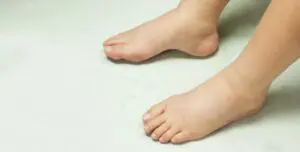
Lymphoedema Brisbane
https://journals.sagepub.com/doi/full/10.1177/02683555211015887
https://www.ncbi.nlm.nih.gov/books/NBK573066/
https://www.liebertpub.com/doi/abs/10.1089/lrb.2020.0019
https://www.ncbi.nlm.nih.gov/pmc/articles/PMC7465366/

Roger Morelli
Latest posts by Roger Morelli (see all)
- Lymphatic Drainage Facial Massage Brisbane - August 13th, 2025
- Lymphatic Drainage Massage Benefits - October 18th, 2024
- Lymphatic Compression Pump Therapy Brisbane - October 16th, 2024