Opening Hours
 Book Online
 07 3003 0801
Long term constipation causes decreased nerve signalling to the bowel, further slowing elimination. Knead Myotherapy’s pain free low level laser and electro simulation of the vagus nerve increases nerve impulses to the bowel improving transit time – making your life better. Slow transit constipation can be a complex disorder with many causes and your recovery should involve a dietary expert such as a naturopath or dietician. Approximately 15% of the population suffer from chronic slow transit constipation.
Complications of long term constipation include:
- Bleeding
- a reduction in brain impulses to the nerves that activate the bowel.
- Fissures
- Haemorrhoids
- Bloating
- Abdominal pain
- Hospital admission
Book your Low Level Laser Treatment Now
At Knead Myotherapy we offer low level laser and Vagus electro nerve stimulation to increase nerve signalling to the bowel and increase the speed of transit time. Combined with appropriate dietary management and exercise – results can be rapid. The bowel is a lengthy muscular tube designed to move digested food (absorbing nutrients) and removing waste. The pelvic floor muscles assist in this process and rely on a healthy neurological connection between the brain and spine and the organs in question. This relationship can be compromised if circumstances arise that lead to chronically slow transit time. Like a friend you haven’t spoken to for 20 years, you lose interest, the brain and the muscles of the pelvic floor can “lose touch” through negative neuroplastic change.
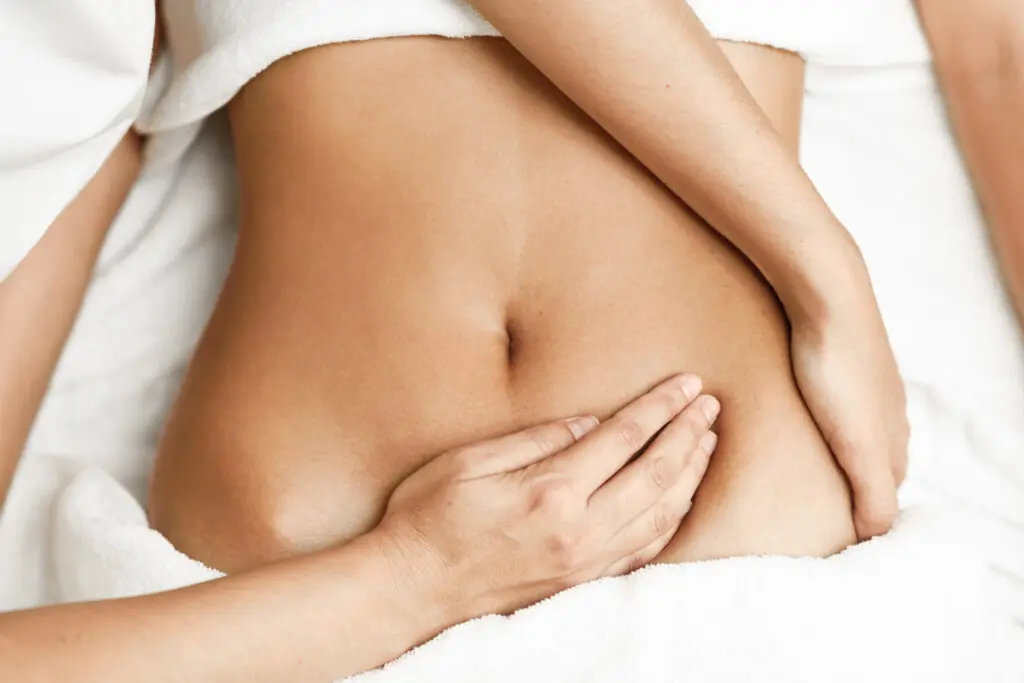
What is slow transit constipation?
Constipation occurs when bowel movements become less frequent. Constipation occurs in
25% of children. Dietary factors, hydration, psychological stress and nerve health can all
play a role in the development of slow transit.
Book your Low Level Laser Treatment Now
How constipation makes you feel?
Typical symptoms include:
- Physical discomfort from evacuation
- Inconsistency with food input and waste output (insufficient volume)
- Incomplete evacuation (not feeling empty on departure)
- Cramps
- Abdominal swelling
Symptoms that indicate a dangerous level of constipation include:
- Faecal incontinence (uncontrolled soiling)
- Bladder incontinence (caused by the bladder being compressed by stagnant faecal
matter)
Take care of your gut and don't let constipaion stop you! See our Myotherapists NOW.
What causes slow transit constipation?
Constipation is not always caused by simple factors. However, transit time often begins to slow because of:
- sedentary behaviour (movement is imperative to a healthy digestive process)
- chronically insufficient fibre content in food
- The microbiome being out of balance because of excess refined sugars, insufficient
fibre and the effect of antibiotics
The consequences of this are: - The faecal matter stays in the rectum too long.
- Nerve impulses that coordinate the muscles of the bowel and anal passage are
stifled, increasing the time of digestive transit further. - Dietary factors cause the faecal material to lose the appropriate level of hydration
and HARDEN. Creating a loop of dysfunction – as this material slows transit time
further. - Bloating and excessive gases and fluids.
Book your Low Level Laser Treatment Now
What helps slow transit constipation?
- Consult with a nutrition expert and modify your diet to optimise your elimination
problems. - Keep moving – sedentary behaviour is likely to slow transit time further
- Vagus nerve stimulation and low level laser stimulation of the enteric nerves and the
illio gastric nerves peristalsis (bowel churning) can improve significantly – long term
constipation is as much a problem with nerve dysfunction as it is obstruction.

How to treat slow transit constipation?
The digestive system is innervated by two spinal pathways as well as the enteric nervous
system (which originates at the brainstem via the vagus nerve). By applying low level laser to the nerves of the spine (at t10-L2 and from L5-s2) we can excite the nerves of the bowel (low level laser increases nerve signalling via increased cellular energy). Each dose of laser is effective for several days post treatment and will have obvious effects on an individual suffering slow transit time (increased stomach gurgling and more rapid elimination).
Frequently Asked Questions (FAQs)
Are constipation and indigestion linked?
Habitual use of antacid medicine can lead to slow transit time, by hardening the stool – which eventually leads to dysfunction in the large intestine.
Are constipation cramps a thing?
Physical discomfort from constipation is one of the earliest symptoms of chronic slow transit.
Can constipation cause back pain?
Absolutely yes. Visceral pain referral is a phenomenon where organs in distress refer pain that is perceived as musculoskeletal pain. Both intestinal and kidney distress can cause low back symptoms.
Can constipation cause bleeding?
Absolutely yes. The two main causes of bleeding from constipation occur as a result of strain.
- Fissures – tears in the anal passage
- Haemorrhoids – a blood vessel that has emerged out of the muscles of the rectum. These blood vessels
burst on evacuation leading to bleeding.
Can constipation cause headache?
Straining due to constipation can cause a headache due to elevating the blood pressure. It can bring on a sudden headache, referred to as a thunderclap headache. Any stressful situation can lead to headache via elevating blood pressure – which is also a side effect of constipation. Slow transit time means that the bodies waste products do not leave the blood stream which is also a theoretical cause of headache.
Can constipation cause lower back pain?
Absolutely yes. Visceral pain referral is a phenomenon where organs in distress refer pain that is perceived as musculoskeletal pain. Both intestinal and kidney distress can cause low back symptoms.
Can constipation cause nausea?
Absolutely. Constipation is a state where the body cannot evacuate waste products – this leads to a build up of toxins, which will in the early stages cause pain and nausea before becoming life threatening.
Can constipation cause stomach pain?
Absolutely. Constipation is a state where the body cannot evacuate waste products – this leads to a build up of toxins, which will in the early stages cause pain and nausea before becoming life threatening.
Can slow transit constipation be cured?
Curing slow transit constipation is a multi-faceted clinical journey. Nutrition experts are imperative to condition the bowel to increasing its activity, movement
is imperative to the health of the digestive system and a clinical expert in neurological function of the enteric and illiogastric nerves (such as a Myotherapist) to increase nerve activity (using vagus nerve stimulation and low level laser at the spinal level of the nerves which become the iliogastric nerve) which slows to a tiny fraction of normal when constipation is chronic.
Can you develop slow transit constipation?
Constipation is not always caused by simple factors. However, transit time often begins to slow because of:
- Psychological stress
- sedentary behaviour (movement is imperative to a
healthy digestive process) - chronically insufficient fibre content in food
- The microbiome being out of balance because of excess refined sugars, insufficient fibre and the effect of antibiotics
The consequences of this are:
- The faecal matter stays in the rectum too long.
- Nerve impulses that coordinate the the muscles of
the bowel and anal passage are stifled, increasing the time of digestive transit further. - Dietary factors cause the faecal material to lose the appropriate level of hydration and HARDEN. Creating a loop of dysfunction – as this material slows transit time further.
- Bloating and excessive gases and fluids.
How common is slow transit constipation?
Approximately 15% of the population suffer from slow transit constipation. Risks increase exponentially in the sedentary.
Is slow transit constipation common?
Approximately 15% of the population suffer from slow transit constipation, a condition where bowel movements are infrequent or sluggish. The risk increases sharply in people with sedentary lifestyles, as inactivity slows the natural movement of the intestines. Staying active, drinking plenty of water, and eating a fibre-rich diet are key strategies to reduce this risk and support healthier bowel function.
How constipation affects the body?
Constipation leads to a hardening of faecal material in the bowel, causing an obstruction (and further aggravating the condition)
This can cause:
- Pain
- Nausea
- Haemoroids
- Fissures
- Bleeding
- Vomiting
- Gas
And left untreated eventually lead to life threatening conditions including dehydration, toxic syndromes, hypertension and organ failure including hepatic encepelopathy (liver damage).
What constipation does to your body?
Constipation leads to a hardening of faecal material in the bowel, causing an obstruction (and further aggravating the condition)
This can cause:
- Pain
- Nausea
- Haemoroids
- Fissures
- Bleeding
- Vomiting
- Gas
- Liver damage
Chronic constipation is a vicious cycle because it leads to a reduction in nerve impulses that coordinate the muscles of the bowel and anal passage – leading to worse constipation.
What constipation can cause?
Constipation causes stool to harden in the bowel, creating an obstruction that further worsens the condition. This may result in:
-
Pain
-
Nausea
-
Haemorrhoids
-
Fissures
-
Bleeding
-
Vomiting
-
Gas and bloating
-
In severe cases, liver strain or damage
Chronic constipation can become a vicious cycle. Ongoing blockage reduces the nerve signals that coordinate the bowel and anal muscles, making it even harder to pass stool and worsening the constipation over time.
How to manage slow transit constipation?
Treating slow transit constipation requires a multi-faceted clinical approach. Nutrition specialists play a key role in conditioning the bowel to increase activity through diet and hydration strategies. Regular movement and exercise are also essential, as physical activity supports the natural motility of the digestive system. In addition, working with a clinician experienced in the neurological function of the gut, such as a Myotherapist, can help stimulate nerve activity. Techniques like vagus nerve stimulation and low-level laser therapy at the spinal levels that influence the iliogastric nerve may restore function. This is especially important because, in chronic constipation, nerve activity often slows to just a fraction of normal, worsening the condition if left untreated.
How constipation affects the digestive system?
Constipation leads to a hardening of faecal material in the bowel, causing an obstruction (and further aggravating the condition)
This can cause:
- Pain
- Nausea
- Haemoroids
- Fissures
- Bleeding
- Vomiting
- Gas
- Liver damage
Chronic constipation is a vicious cycle because it leads to a reduction in nerve impulses that coordinate the muscles of the bowel and anal passage – leading to worse constipation.
How to cure slow transit constipation?
Curing slow transit constipation is a multi-faceted clinical journey. Nutrition experts are imperative to condition the bowel to increasing its activity, movement
is imperative to the health of the digestive system and a clinical expert in neurological function of the enteric and illiogastric nerves (such as a Myotherapist) to increase nerve activity (using vagus nerve stimulation and low level laser at the spinal level of the nerves which become the iliogastric nerve) which slows to a tiny fraction of normal when constipation is chronic.
When constipation occurs?
Curing slow transit constipation is a multi-faceted clinical journey. Nutrition experts are imperative to condition the bowel to increasing its activity, movement
is imperative to the health of the digestive system and a clinical expert in neurological function of the enteric and illiogastric nerves (such as a Myotherapist) to increase nerve activity (using vagus nerve stimulation and low level laser at the spinal level of the nerves which become the iliogastric nerve) which slows to a tiny fraction of normal when constipation is chronic.
How constipation can be cured?
Curing slow transit constipation is a multi-faceted clinical journey. Nutrition experts are imperative to condition the bowel to increasing its activity, movement
is imperative to the health of the digestive system and a clinical expert in neurological function of the enteric and illiogastric nerves (such as a Myotherapist) to increase nerve activity (using vagus nerve stimulation and low level laser at the spinal level of the nerves which become the iliogastric nerve) which slows to a tiny fraction of normal when constipation is chronic.
What constipation feels like?
Understanding what constipation feels like is important, as it often goes beyond simply not being able to pass stool. Constipation can create a sense of fullness, bloating, and abdominal pressure. As stool hardens in the bowel, it may cause pain, nausea, or cramping, and in some cases lead to haemorrhoids, fissures, or bleeding. Severe constipation can also trigger vomiting and excessive gas. When constipation becomes chronic, it reduces the nerve signals that coordinate bowel and anal muscle movement, which in turn makes the condition worse and more difficult to manage.
How constipation makes you feel?
Typical symptoms include:
- Physical discomfort from evacuation
- Inconsistency with food input and waste output (insufficient volume)
- Incomplete evacuation (not feeling empty on
departure) - Cramps
- Abdominal swelling
Symptoms that indicate a dangerous level of constipation
include:
- Faecal incontinence (uncontrolled soiling)
- Bladder incontinence (caused by the bladder being compressed by stagnant faecal matter)
What causes slow transit constipation?
Sedentary behaviour and dietary imbalance are the biggest risk factors of slow transit constipation. Constipation occurs when bowel movements become less frequent. Dietary factors, movement frequency, hydration, psychological stress and nerve health can all play a role in the development of slow transit. Constipation can start when the stools begin to harden (dietary factors usually) – this leads to a slowing of conditions in the gut (like a traffic jam). After a while, the nerve impulses from the spine to the digestive apparatus slow because the traffic jam is not really moving and then the condition is chronic. Walking helps maintain nerve signalling to the bowel and assists in bowel “churning” – keeping the traffic moving.
What can cause slow transit constipation?
Sedentary habits and poor diet are the two biggest risk factors for slow transit constipation. The condition develops when bowel movements become infrequent and stools begin to harden—usually due to inadequate fibre, hydration, or other dietary issues. This creates a “traffic jam” in the gut, slowing everything down. Over time, the reduced movement also affects the nerve signals from the spine to the digestive system, making the problem chronic. Other contributing factors can include stress, lack of exercise, and impaired nerve health. Regular walking is especially helpful, as it keeps the nerves actively signalling the bowel and supports the natural “churning” action needed to keep things moving smoothly.
How constipation occurs?
Sedentary behaviour and dietary imbalance are the biggest risk factors of slow transit constipation. Constipation occurs when bowel movements become less frequent. Dietary factors, movement frequency, hydration, psychological stress and nerve health can all play a role in the development of slow transit. Constipation can start when the stools begin to harden (dietary factors usually) – this leads to a slowing of conditions in the gut (like a traffic jam). After a while, the nerve impulses from the spine to the digestive apparatus slow because the traffic jam is not really moving and then the condition is chronic. Walking helps maintain nerve signalling to the bowel and assists in bowel “churning” – keeping the traffic moving.
How is slow transit constipation diagnosis?
A dietary professional or GP will discuss your situation and may get you to perform a questionnaire. This is sufficient for the diagnosis. Causes of constipation may require Ultrasound or MRI imaging.
What does slow transit constipation mean?
This is a complex question. The most common causes of constipation are usually related to diet (a diet lacking fiber frequently) and sedentary behaviour. However,
nerve signalling of the bowel can be inhibited in some demographics – particularly individuals who are on the spectrum (autism). Psychological stress can impact
eating and elimination.
What constipation means?
This is a complex question. The most common causes of constipation are typically linked to dietary factors—most often a lack of fibre—and sedentary behaviour. However, in some groups, constipation may also be related to reduced nerve signalling in the bowel, which is sometimes seen in individuals on the autism spectrum. In addition, psychological stress can disrupt both eating habits and normal elimination, further contributing to the problem.
What helps slow transit constipation?
- Consult with a nutrition expert and modify your diet to optimise your elimination problems.
- Keep moving – sedentary behaviour is likely to slow transit time further
- Vagus nerve stimulation and low level laser stimulation of the enteric nerves and the illio gastric nerves peristalsis (bowel churning) can improve significantly – long term constipation is as much a problem with nerve dysfunction as it is obstruction.
What is slow transit constipation in adults?
Constipation occurs when bowel movements become less frequent. Dietary factors, movement frequency, hydration, psychological stress and nerve health can all play a role in the development of slow transit. Constipation can start when
the stools begin to harden (dietary factors usually) – this leads to a slowing of conditions in the gut (like a traffic jam). After a while, the nerve impulses from the spine to the digestive apparatus slow because the traffic jam is not really moving and then the condition is chronic. Walking helps maintain nerve signalling to the bowel and assists in bowel “churning” – keeping the traffic moving.
What is slow transit constipation?
Constipation develops when bowel movements become less frequent, often influenced by factors such as diet, hydration, physical activity, stress, and nerve health. It often begins when stools harden—usually due to dietary issues—creating a “traffic jam” in the gut. As this slowing continues, the nerve signals from the spine to the digestive system also reduce, making constipation chronic. Regular walking can help prevent this cycle by supporting healthy nerve signalling and promoting the natural “churning” action of the bowel to keep things moving.
What is idiopathic slow transit constipation?
Idiopathic slow transit constipation is a condition where bowel movements become infrequent without an obvious underlying cause. It is often linked to factors such as diet, hydration, physical activity, stress, and nerve health. The process usually begins when stools harden—most often from dietary issues—creating a “traffic jam” in the gut. Over time, this slowing also reduces the nerve signals from the spine to the digestive system, making the condition chronic. Regular movement, such as walking, helps support nerve activity and keeps the bowel “churning,” which prevents things from slowing down further.
When constipation is serious?
Constipation is considered dangerous if you have fewer than 3 bowel movements per week. Contact your GP immediately.
When is constipation dangerous?
When is constipation dangerous?
Constipation becomes dangerous when it is severe, persistent, or associated with other symptoms. Occasional constipation is common, but if waste continues to build up it can cause hard stool blockages, severe pain, nausea, vomiting, or even liver strain. Chronic constipation is particularly concerning because it slows the nerve signals that control the bowel, creating a cycle that makes the condition harder to treat.
You should seek urgent medical care if constipation is accompanied by:
-
Severe or worsening abdominal pain
-
Vomiting or inability to pass gas
-
Blood in the stool or rectal bleeding
-
Unexplained weight loss
-
Fever or signs of infection
In rare cases, untreated constipation can become life-threatening. Early assessment and treatment are the safest way to prevent complications.
https://www.ouh.nhs.uk/patient-guide/leaflets/files/49007Pfasciitis.pdf
https://sma.org.au/resources-advice/injury-fact-sheets/plantar-fasciitis/
https://www.mayoclinic.org/diseases-conditions/plantar-fasciitis/symptoms-causes/syc-20354846
https://newsnetwork.mayoclinic.org/discussion/mayo-clinic-q-and-a-treating-plantar-fasciitis/
https://www.betterhealth.vic.gov.au/health/conditionsandtreatments/foot-problems-heel-pain
https://www.healthdirect.gov.au/plantar-fasciitis
https://www.abc.net.au/radio/hobart/programs/saturdays/air:-medical-matters—plantar-fasciitis/11126060
https://www.nytimes.com/guides/well/activity/treat-plantar-fasciitis
https://www.latrobe.edu.au/news/articles/2019/release/heel-pain-to-jab-or-not-to-jab
https://www.ncbi.nlm.nih.gov/pmc/articles/PMC8410029/
https://gut.bmj.com/content/51/suppl_1/i6
https://www.ncbi.nlm.nih.gov/pmc/articles/PMC6820819/
https://www.pnas.org/doi/10.1073/pnas.1911429116
https://www.researchgate.net/profile/Fareed-Iqbal/publication/303389186_Iqbal_et_al-Tibial-
2016-Colorectal_Disease/data/5740092c08ae9f741b322a35/Iqbal-et-al-Tibial-2016-Colorectal-
Disease.pdf
https://pesquisa.bvsalud.org/global-literature-on-novel-coronavirus-2019-
ncov/resource/pt/covidwho-1592293
https://www.ncbi.nlm.nih.gov/pmc/articles/PMC4743666/
McClurg, Doreen; Norton, Christine (2016). What is the best way to manage neurogenic bowel dysfunction?.
BMJ, (), i3931–. doi:10.1136/bmj.i3931
Related Posts

TMJ Pain Brisbane
Remedial Massage Brisbane: The Ultimate Guide
Low level laser therapy

kneadmassage
Latest posts by kneadmassage (see all)
- Hyperkyphosis - September 19th, 2024
- Frozen Shoulder Brisbane - July 3rd, 2024
- Knee Cap Pain Brisbane - July 3rd, 2023